 English
 Turkish
 Deutsch


Tartar cleaning should be done regularly to help prevent various tooth and gum diseases. Everyone should have their tartar cleaned approximately once every 6 months. This procedure is also known among the public as “tartar removal”. As is well known, saliva contains certain minerals. These minerals, together with the dental plaque that accumulates on the tooth surfaces over time, lead to the formation of tartar. Tartar damages both the teeth and the gums and, if not taken seriously, can even result in tooth loss.
For oral and dental health to be protected, tartar cleaning must be carried out regularly. We should underline that this is one of the most important procedures for a hygienic and healthy mouth. Before we get into whether the procedure is painful or what you should pay attention to afterwards, let’s first look at how it is done.
 Tartar cleaning is not a painful procedure. In most cases, it can be performed without any need for anesthesia. In such situations, patients may feel only slight sensitivity. If a very large amount of tartar has accumulated, local anesthesia may be used. In that case, the patient does not feel any pain at all. In short, there is no need to worry that tartar removal is a painful procedure. It is a simple treatment that is completed in a short time and does not cause the intense pain people fear.
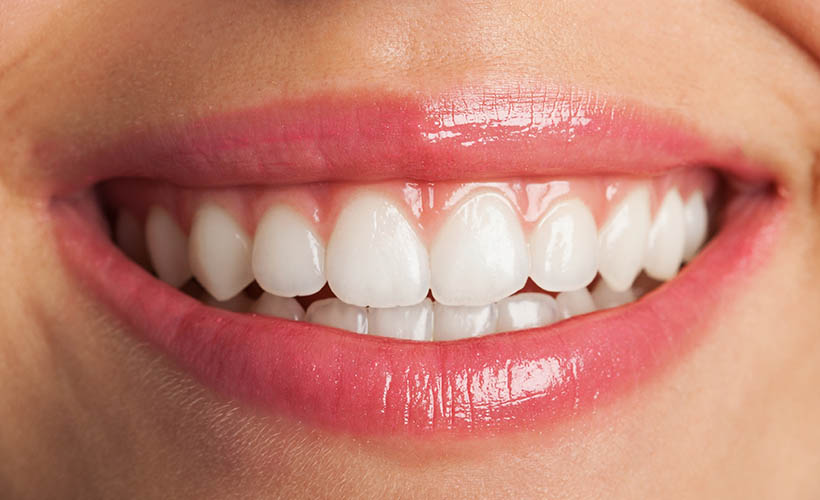 There are some misconceptions about tartar cleaning among the public. One of them is the belief that it damages the teeth. This is absolutely not true. Professional tartar cleaning performed by a dentist does not harm the teeth or gums. On the contrary, not removing tartar can cause serious problems. Most importantly, tartar is one of the main factors that can lead to gum recession. Therefore, tartar must be removed properly and with the right techniques.
 The reasons why tartar cleaning should be done—and the health issues it helps prevent—can be summarized as follows:
How Is Tartar Cleaning Performed?
What we call tartar is formed when bacterial plaque hardens over time. You should not assume that you do not need tartar cleaning just because you brush your teeth regularly. Once formed, tartar cannot be removed with a toothbrush. Although regular toothbrushing is essential to help prevent tartar formation, in some cases it is still not enough. In such situations, professional tartar cleaning performed by a dentist comes into play. During this procedure, dentists use specially designed dental instruments and ultrasonic devices. After the tartar is removed from the tooth surfaces, the teeth appear both whiter and shinier. How long the procedure takes depends on how much tartar is present, but in most cases it is completed within 15 to 20 minutes. If only a small amount of tartar is present, the procedure may take as little as 10 minutes.How Do You Know If You Have Tartar?
Patients usually notice tartar when yellowish stains begin to appear on their teeth. Sometimes, depending on the natural color of the teeth, patients may not be able to notice tartar themselves. Dentists can easily determine whether tartar is present with a simple examination and then proceed to tartar cleaning. Tartar may appear as small spots on the tooth surface and can sometimes be almost white in color.Is Tartar Cleaning Painful?
Tartar cleaning is not a painful procedure. In most cases, it can be performed without any need for anesthesia. In such situations, patients may feel only slight sensitivity. If a very large amount of tartar has accumulated, local anesthesia may be used. In that case, the patient does not feel any pain at all. In short, there is no need to worry that tartar removal is a painful procedure. It is a simple treatment that is completed in a short time and does not cause the intense pain people fear.
What Should You Pay Attention to After Tartar Cleaning?
First of all, you may feel mild sensitivity in your gums after tartar cleaning. This is normal and will usually disappear on its own within a few days. Some teeth may also feel slightly sensitive. It is a good idea to avoid very hot or very cold drinks for a few days, as such extremes can cause temporary discomfort. After having tartar cleaning, you should avoid using toothpicks for a few days. During this period, you should also stay away from foods and drinks that can stain the teeth. Examples include:- Tobacco products
- Tea
- Coffee
- Foods and drinks containing food coloring
- Carbonated drinks
Why Is It Important to Have Tartar Removed?
To protect the health of your teeth and gums, tartar cleaning must be performed regularly. This alone clearly shows why the procedure is so important. To prevent tooth loss, gum recession, gingival infections, and tooth decay, tartar deposits must be removed from the tooth surfaces.Does Tartar Cleaning Damage the Teeth?
There are some misconceptions about tartar cleaning among the public. One of them is the belief that it damages the teeth. This is absolutely not true. Professional tartar cleaning performed by a dentist does not harm the teeth or gums. On the contrary, not removing tartar can cause serious problems. Most importantly, tartar is one of the main factors that can lead to gum recession. Therefore, tartar must be removed properly and with the right techniques.
How Does Tartar Contribute to Disease?
The reasons why tartar cleaning should be done—and the health issues it helps prevent—can be summarized as follows:
Gum Diseases
Tartar typically builds up where the teeth meet the gums. This area provides ideal conditions for bacteria to accumulate and thrive. As a result, tartar can cause inflammation in the gums. In such cases, the first sign is usually bleeding from the gums. Remember that gum disease can reach serious levels and may ultimately result in tooth loss.Gum Bleeding
Tartar is one of the main causes of bleeding gums. In fact, bleeding can be considered an early sign of gum problems. Especially when bleeding occurs only during tooth brushing, many people tend to ignore it. However, if you notice bleeding gums, you should see a dentist as soon as possible. In some cases, gum bleeding may occur even without brushing.Bad Breath
Tartar can also cause bad breath. Poor oral hygiene and neglecting mouth cleaning can lead to unpleasant breath, as can inflammation in the gums related to tartar.Gum Recession
Inflammation caused by tartar leads, over time, to gum recession. This is actually a defensive reaction of the body: the gums move away from the area where tartar and inflammation are present and begin to recede upwards. Treating gum recession can be quite difficult, and if left untreated, it can result in tooth loss.Tooth Loss
Another serious consequence of tartar buildup is tooth loss. Tooth loss usually develops as a result of gum recession caused by tartar. Over time, the affected teeth begin to loosen and may eventually fall out or require extraction. In some cases, this damage cannot be fully reversed.Where Can You Get Tartar Cleaning in Çerkezköy?
There are clinics in the Çerkezköy area where you can have tartar cleaning performed. Residents of this part of Tekirdağ do not need to travel to other districts for a dental check-up or this procedure. You can write your questions about tartar cleaning in the comments section.
Phd. Dr. Ezgi AKÇE
Maslak Chief Physician - Managing Director
Field of Interest: Periodontology


