 English
 Turkish
 Deutsch

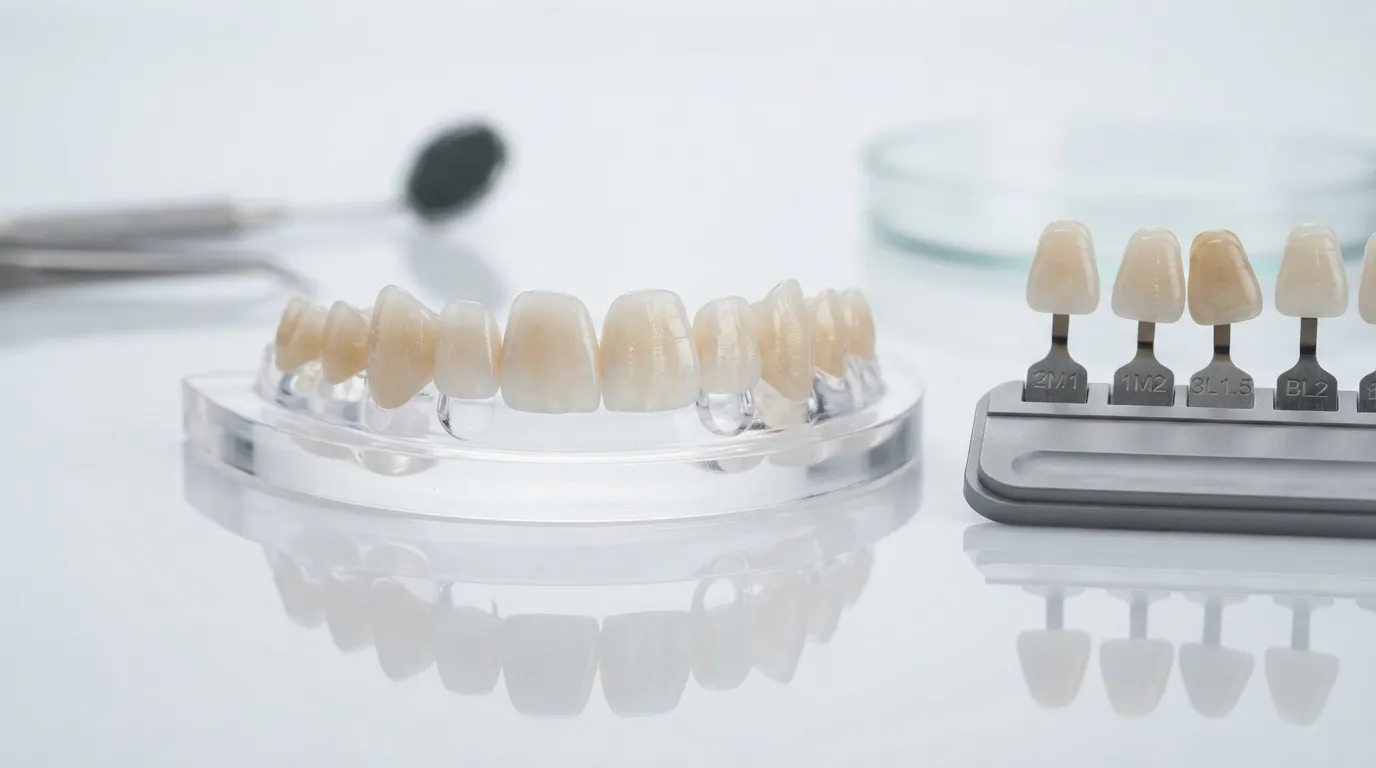
When planning a modern cosmetic smile transformation, emax veneers stand out as one of the most reliable and aesthetically refined options available in contemporary dentistry. A beautiful smile is no longer merely about having straight, bright teeth; it is about achieving a harmonious, natural, and individual appearance that complements your facial features. Among all porcelain and ceramic restoration techniques, emax veneers have gained global acclaim due to their exceptional translucency, extraordinary mechanical strength, and minimal tooth preparation requirements. If you wish to rebuild your smile while preserving as much natural tooth structure as possible, learning about emax veneers will help you make an informed decision about your dental health and aesthetic goals.
Dental aesthetics and oral health are intrinsically linked. The biocompatibility, optical fidelity, and structural integrity of the restorative material determine not only how attractive your smile looks but also how long the results last. In this ultimate guide, we will explore everything you need to know about emax veneers, including their material composition, detailed pros and cons, pricing considerations, step-by-step procedure, expected results, expert clinical commentary, and a comprehensive 10-question FAQ.
What Are Emax Veneers? Material Composition and Optical Properties
To understand why emax veneers are so widely recommended by cosmetic dentists worldwide, it is essential to examine their unique material science. Unlike traditional porcelain crowns that rely on metal or opaque ceramic bases, emax veneers are manufactured from lithium disilicate glass-ceramic. This specialized material is synthesized through a controlled crystallization process under high pressure and temperature, producing a glass matrix filled with interlocked micro-crystals. Choosing high-quality laminate veneers in Turkey ensures that your cosmetic restoration leverages these advanced material properties effectively.
The Science of Lithium Disilicate
Lithium disilicate consists of lithium oxide and silica crystal structures dispersed inside a glass matrix. These needle-like crystals give the material high flexural strength (typically ranging from 360 to 500 MPa) while maintaining an optical index remarkably similar to natural human enamel.
- Light Translucency and Reflection: Natural tooth enamel does not block completely. Instead, enters the enamel layer, scatters slightly, and bounces off the underlying dentin. Because emax veneers match this refractive index, passes through them naturally, preventing the chalky, fake white look associated with older dental materials.
- Biocompatibility: Lithium disilicate is completely inert and biological friendly.Lithium disilicate is highly biocompatible and, when properly designed and maintained, is generally well tolerated by the surrounding gingival tissues.
- Minimal Invasive Design: Thanks to high structural resistance, emax veneers can be crafted as ultra-thin shells (0.3 mm to 0.7 mm thick). This allows dentists to preserve maximum natural tooth enamel during preparation.
- Plaque and Stain Resistance: The non-porous glazed surface of emax veneers prevents bacterial plaque accumulation and resists staining from food, beverages, and smoking.
When placed correctly, emax veneers mimic both the mechanical flexibility and optical depth of living teeth better than almost any other restorative material available today.
Pros and Cons of Emax Veneers
Like any medical or cosmetic intervention, choosing emax veneers involves evaluating both advantages and limitations. Weighing these factors helps determine whether emax veneers fit your specific lifestyle, budget, and clinical requirements.
Pros (Advantages)
- Unmatched Natural Aesthetics: The primary reason patients select emax veneers is their lifelike appearance. They blend seamlessly with neighboring natural teeth, making individual restorations virtually invisible.
- Preservation of Natural Tooth Structure: Traditional crowns generally require significantly more tooth reduction than veneers. In contrast, placing emax veneers requires removing only a fraction of a millimeter of enamel, keeping the tooth pulp alive and strong.
- Exceptional Durability and Bond Strength: When etched and bonded with special adhesive resin cements, emax veneers fuse chemically and micro-mechanically with the tooth enamel, creating a single, unified structure with outstanding resistance to chipping.
- Stain Resistance and Surface Stability: Emax veneers are highly resistant to staining and maintain their color well over time,ensuring a bright, stable shade for decades.
- Gum Tissue Health: The super-smooth ceramic surface at the gum line resists bacterial buildup, encouraging healthy, pink gum tissue free from discoloration or swelling.
Cons (Limitations)
- Higher Initial Cost: Because of high-tech CAD/CAM manufacturing, raw lithium disilicate block costs, and specialized laboratory master-ceramist work, emax veneers carry a higher price tag than composite bonding or traditional porcelain.
- Not Ideal for Darkly Discolored Underlying Teeth: Due to their high translucency, ultra-thin emax veneers may allow severe dark stains (such as deep tetracycline staining or dark root canal teeth) to show through unless specialized opaque resin cements or thicker ceramic blocks are used.
- Technique-Sensitive Application: Applying emax veneers requires advanced clinical expertise from the dentist and precise craftsmanship from the laboratory technician. Improper bonding technique can compromise the longevity of emax veneers.
- Irreversible Preparation: While preparation for emax veneers is minimal, removing even a thin layer of enamel means the process is permanent (except in rare non-prep cases).
Comparative Analysis: Emax Veneers vs. Alternative Restorations
Understanding how emax veneers perform compared to other cosmetic options allows you to evaluate your options clearly. Patients seeking comprehensive cosmetic makeovers often compare ultra-thin options with a conventional porcelain veneers treatment to achieve their desired shade and translucency. The table below outlines key technical and visual parameters across popular restoration types.
Restoration Materials Comparison Table
As shown in the table, for front teeth aesthetic transformations, emax veneers offer the best balance between minimal tooth reduction and optimal translucency. While zirconia boasts higher flexural strength—making it suited for heavy chewing molars or multi-unit bridges—emax veneers are among the leading choices for anterior smile design. In cases where full structural reinforcement is required for damaged posterior or anterior teeth, fitting premium zirconia crowns in Turkey serves as an excellent alternative. Pricing and Cost Factors for Emax Veneers
Understanding the cost of emax veneers requires analyzing the variables that influence pricing. Because emax veneers are custom-crafted medical-grade artworks, prices vary based on several key factors:
Key Factors Influencing Cost
- Dentist Expertise and Renown: Highly experienced cosmetic dentists or prosthodontists who specialize in advanced smile design typically charge higher fees reflecting their skill and precision.
- Dental Laboratory Quality: The master ceramist who hand-finishes and layers your emax veneers plays a vital role in achieving natural depth, characterization, and texture.
- Geographic Location and Dental Tourism: Treatment costs vary greatly by country. For instance, receiving emax veneers in the United States or Western Europe often costs significantly more than in established dental tourism destinations such as Turkey, Mexico, or Hungary, where operating overheads are lower despite using identical lithium disilicate blocks (like Ivoclar Vivadent).
- Number of Teeth Included: Treating a full smile line (typically 8 to 10 top teeth) offers a per-tooth cost efficiency compared to placing single-unit emax veneers.
- Prerequisite Procedures: Treatments such as gum contouring (gingivectomy), teeth whitening, or preliminary fillings will affect overall treatment investment.
Regional Price Ranges (Estimated Per Tooth)
When weighing pricing, consider emax veneers an investment in long-term durability and self-confidence. Many emax veneers function successfully for 10–20 years or longer with appropriate maintenance, often makes emax veneers more cost-effective over time than composite bonding, which requires frequent polishing, repairs, or replacements every few years.

Combining world-class clinical expertise with rich cultural history, Turkey—and particularly the vibrant metropolis of Istanbul—has established itself as the premier global destination for aesthetic dental care. Patients traveling from all across the world not only receive top-tier, precision-crafted smile restorations but also enjoy an unforgettable journey amidst breathtaking historic landmarks, unmatched hospitality, and vibrant Mediterranean charm. At the forefront of this modern dental experience is Trakyadent, where state-of-the-art ceramic technology meets personalized aesthetic planning, ensuring that every international patient experiences world-class treatment in the warm, welcoming heart of Turkey.
When weighing pricing, consider emax veneers an investment in long-term durability and self-confidence. Their 15 to 20-year lifespan often makes emax veneers more cost-effective over time than composite bonding, which requires frequent polishing, repairs, or replacements every few years.
Step-by-Step Process of Getting Emax Veneers
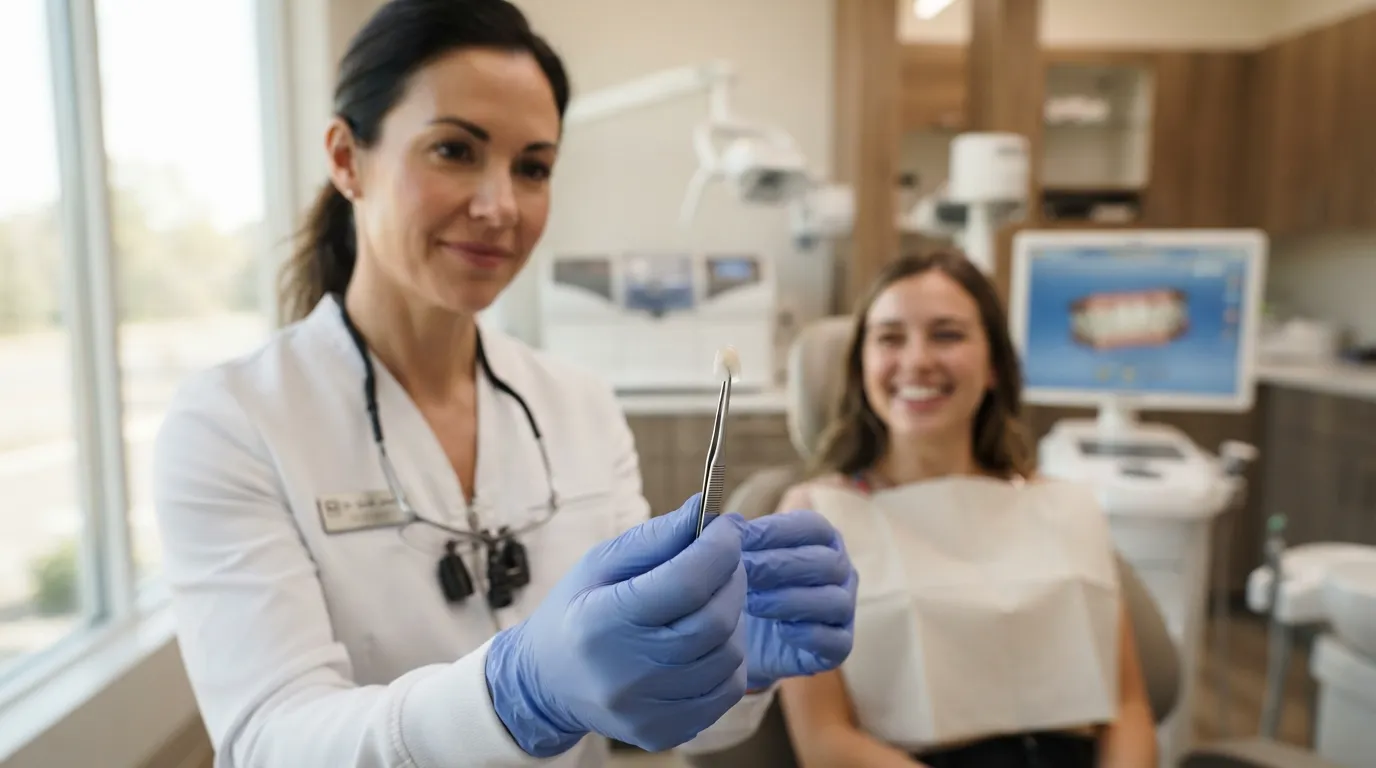
Achieving a flawless smile with emax veneers involves a carefully coordinated multi-step clinical protocol. The process typically requires 2–3 appointments, although the overall treatment time may vary depending on the clinical case and laboratory workflow
Step 1: Initial Consultation and Digital Smile Design
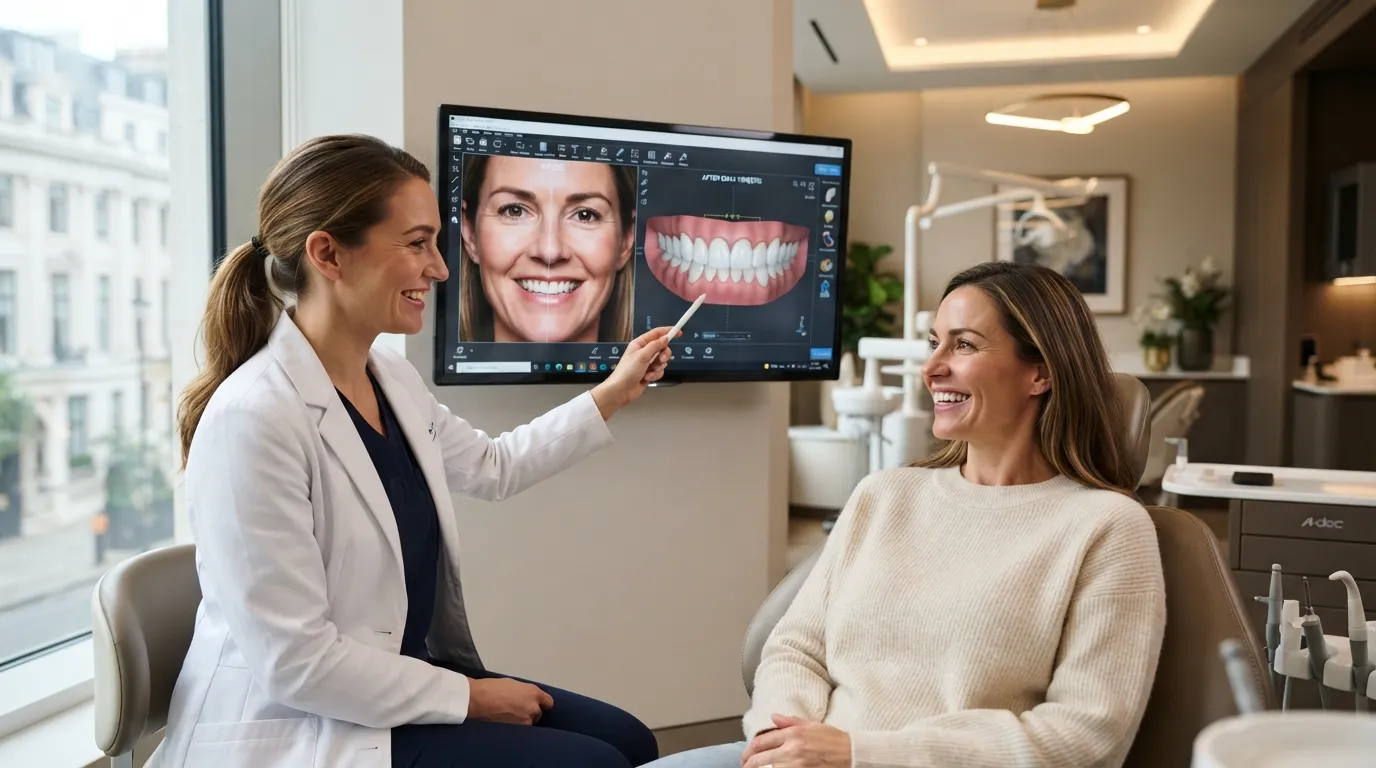
Your journey begins with a thorough oral assessment, digital X-rays, and high-resolution facial photography. Using digital smile design software, your dentist analyzes your lips, facial symmetry, and facial dynamics to custom-design the shape, length, and shade of your new emax veneers.
Step 2: Mock-Up Preview and Tooth Preparation
Before touching your natural teeth, the proposed design is temporarily applied to your mouth using a composite resin material known as a “mock-up.” You can view your prospective smile in a mirror and request shade or shape adjustments. Once approved, the dentist gently removes a micro-layer of enamel (0.3 mm to 0.7 mm) from the front surface of the teeth. Temporary veneers are then fitted to protect your teeth while your custom emax veneers are fabricated.
Step 3: Digital Scanning and Laboratory Crafting
Instead of uncomfortable traditional impression putty, a 3D intraoral scanner captures precise optical data of your prepared teeth. This digital file is transferred to the dental lab, where computer-aided design and computer-aided manufacturing (CAD/CAM) units mill your emax veneers.are fabricated using CAD/CAM or heat-press techniques, depending on the laboratory protocol. A master ceramist then hand-stains and glazes each piece to reflect micro-details, natural translucency, and surface texture.
Step 4: Try-In and Permanent Bonding
At your final visit, temporary veneers are removed, and the new emax veneers are test-fitted. Your dentist verifies shade harmony, margin precision, contact points, and bite alignment. Once you confirm complete satisfaction, the tooth surface and the interior of the ceramic are etched with mild acid and treated with silane coupling agents.-cured adhesive resin cement permanently bonds the emax veneers to your enamel, creating an exceptionally strong, seamless integration.
“In modern cosmetic dentistry, our guiding principle is ‘maximum aesthetic impact with minimum tissue destruction.’ Historically, achieving a Hollywood smile required aggressive crown preparation, shaving healthy teeth into small pegs. Today, lithium disilicate glass-ceramics have transformed our clinical approach.
The real brilliance of emax veneers lies in their ability to mimic the optical properties of natural enamell while maintaining high flexural strength in thin dimensions. When proper adhesive bonding protocols are followed, emax veneers become structurally unified with the underlying tooth. Patients who maintain good oral hygiene and wear night guards if they grind their teeth regularly enjoy flawless results lasting 15 to 20 years or longer. Success relies equally on high-grade materials and the clinician’s attention to bonding details.“
Results and Expected Outcomes
What results can you realistically expect after completing your treatment with emax veneers? Beyond a bright, uniform appearance, high-quality emax veneers deliver natural tactile sensation, function, and aesthetic appeal. In full smile design cases where teeth are missing altogether, incorporating a surgical solution such as implant treatment in Turkey ensures comprehensive structural stability before placing final veneers.
Aesthetic and Functional Benefits
- Immediate Smile Transformation: Corrects crookedness, uneven tooth sizes, gaps (diastemas), worn edges, and persistent discoloration in just a few visits.
- Natural Texture and Translucency: Unlike flat, opaque crowns, emax veneers feature subtle surface ridges, mamelon effects, and edge translucency indistinguishable from natural enamel.
- Facial Harmony and Youthful Appearance: Restoring worn or short teeth with emax veneers supports lip structure, reduces subtle facial lines around the mouth, and brightens your facial appearance.
- Restored Chewing Function: You can bite, chew, and speak comfortably without worrying about detachment or weakness during daily activities.
Ideal Candidates for Emax Veneers
While emax veneers deliver outstanding outcomes for many patients, careful candidate selection remains essential for long-term clinical success.
Good Candidates
- Individuals with discolored teeth resistant to chemical bleaching (such as fluorosis or tetracycline stains).
- Patients with chipped, cracked, or naturally worn tooth enamel.
- People looking to close gaps between front teeth (diastema) without prolonged orthodontic treatment.
- Individuals with mild tooth misalignment or minor shape irregularities.
- Patients who maintain good oral hygiene and healthy gum tissues.
Poor Candidates and Alternative Solutions
- Severe Bruxism (Teeth Grinding): Patients who grind their teeth heavily without wearing a protective night guard risk fracturing ceramic restorations.
- Insufficient Tooth Enamel: Adhesive resin bonding requires adequate natural enamel;may require more extensive restorative treatment, such as crowns, depending on the remaining tooth structure..
- Severe Crowding or Malocclusion: Major bite misalignments or severe overlap should be corrected first with orthodontic treatment (such as clear aligners).
- Active Gum Disease: Periodontal inflammation must be resolved completely before placing emax veneers.
Maintenance Guidelines to Extend Longevity
Proper care determines how long your emax veneers preserve their original beauty and structural integrity. Following a disciplined oral hygiene routine ensures your investment lasts for decades.
Care Rules and Best Practices
- Brush with Non-Abrasive Toothpaste: Brush your teeth twice daily using a soft-bristled toothbrush and non-abrasive fluoride toothpaste. Avoid overly gritty whitening pastes that could dull the ceramic polish over time.
- Daily Interdental Cleaning: Floss daily or use an oral irrigator (water flosser) to clean around the margins where your emax veneers meet the gum line. Preventing plaque accumulation preserves gum tissue health.
- Wear a Protective Night Guard: If you have a history of clenching or grinding your teeth during sleep, wear a custom-fitted night guard to protect your emax veneers from nocturnal bite forces.
- Avoid Bad Chewing Habits: Never use your teeth as tools to open packaging, bite fingernails, or crunch on hard objects like ice, nut shells, or hard candy. Slice firm foods like whole apples or carrots into bite-sized pieces rather than biting into them directly with front emax veneers.
- Schedule Bi-Annual Dental Checkups:Visit your dentist regularly for professional cleanings and examinations, following the interval recommended by your dentist for routine professional cleanings, margin evaluations, and bite adjustments.