The masseter muscles are powerful, rectangular muscles located along the sides of the lower jaw. Originating from the zygomatic arch and inserting into the lateral surface of the mandibular ramus and angle, they play a major role in elevating the mandible during chewing. When these muscles become enlarged because of individual anatomy, habitual clenching, or repetitive muscular activity, they can contribute to a wider lower facial contour and, in some individuals, localized muscular discomfort.
In clinical practice, masseter botox refers to the targeted injection of botulinum toxin type A into selected areas of the masseter muscle. Botulinum toxin type A acts by inhibiting the release of acetylcholine at the neuromuscular junction. This produces a temporary reduction in muscle activity within the treated area without completely eliminating normal jaw function.
Masseter botox can be used for aesthetic facial contouring and may also be considered for selected functional muscular complaints. By reducing masseter activity, treatment can gradually decrease muscle prominence and may reduce excessive clenching force in appropriately selected patients. The effects are temporary, and both the clinical response and duration vary between individuals.
Contents
ToggleWhat Primary Concerns Does Masseter Botox Address?
Patients may seek masseter botox for aesthetic facial contouring or selected functional muscular symptoms. A common aesthetic indication is masseter hypertrophy, in which increased muscle volume contributes to a broad or square lower facial appearance. Reducing masseter activity can gradually decrease muscle bulk and create a narrower lower facial contour in suitable candidates.
From a functional perspective, sleep bruxism and awake clenching can involve repetitive or sustained masticatory muscle activity. These behaviors may be associated with muscle fatigue, tenderness, dental wear, or other symptoms in some patients. Botulinum toxin type A can reduce masseter muscle activity and bite force temporarily, but it does not eliminate the underlying causes of bruxism.
For patients with persistent muscular symptoms, masseter botox may be considered after appropriate assessment and, when indicated, after more conservative management approaches have been evaluated. Current evidence suggests potential benefits for selected patients with bruxism-related muscular symptoms, but studies remain heterogeneous and long-term evidence is limited.
Clinicians should also determine whether facial pain or swelling originates from the masticatory muscles or from another dental, joint, neurological, or structural condition. Masseter botox does not treat underlying osseous pathology, such as lesions requiring jaw cyst treatment, which requires separate diagnosis and management.
How Do Injections Relieve Jaw Clenching and Teeth Grinding?
Sleep bruxism involves repetitive masticatory muscle activity characterized by clenching, grinding, or mandibular bracing or thrusting during sleep. Awake bruxism can involve repetitive or sustained tooth contact, clenching, or mandibular bracing during wakefulness. These activities may increase masticatory muscle loading and can contribute to muscle discomfort or dental wear in susceptible individuals.
When botulinum toxin type A is injected into the masseter muscle, it temporarily reduces acetylcholine release at the neuromuscular junction. This decreases contraction strength in the treated muscle fibers and can reduce maximum bite force and masticatory muscle activity for a limited period.
The biological effects of masseter botox include:
- Neuromuscular Inhibition: Botulinum toxin type A cleaves SNAP-25, reducing acetylcholine release from presynaptic nerve terminals.
- Reduced Muscle Activity: Contraction strength and maximum bite force may decrease temporarily within the treated muscle.
- Potential Symptom Reduction: Reduced muscular activity may lessen pain, fatigue, or tightness in selected patients, although clinical response varies.
- Gradual Reduction in Muscle Volume: Repeated or sustained reduction in muscle activity can lead to temporary decreases in masseter thickness and lower facial width.
Botulinum toxin primarily modifies muscle activity rather than eliminating bruxism itself. Therefore, treatment should be considered symptom-directed rather than a definitive cure for sleep or awake bruxism.
How Can Masseter Botox Help Manage Selected TMD Symptoms?
Temporomandibular disorders encompass a group of conditions involving the temporomandibular joints, masticatory muscles, and associated structures. Treatment depends on whether symptoms are predominantly muscular, joint-related, or mixed.
Some patients with myogenous TMD experience persistent tenderness, muscle pain, fatigue, or limited function involving the masseter or other masticatory muscles. Botulinum toxin type A has been studied as a possible treatment for selected muscular TMD symptoms.
Available evidence is mixed. Some systematic reviews have reported reductions in pain compared with placebo, while others have found no clear superiority over placebo or standard conservative treatments. An umbrella review of high-quality systematic reviews concluded that botulinum toxin may reduce pain in myogenous TMD but is not clearly superior to established treatments and should generally be considered only after conservative options have been evaluated.
Initial management of many TMD presentations typically emphasizes conservative and reversible approaches such as patient education, behavioral modification, physical therapy, appropriate analgesic strategies, and occlusal appliances when clinically indicated. Botulinum toxin may be considered for selected persistent muscular cases after individualized assessment rather than as a routine first-line treatment.
How Does Masseter Botox Slim and Reshape the Lower Face?
Lower facial shape is influenced by skeletal anatomy, subcutaneous soft tissue, skin characteristics, and the size of the masseter muscles. In individuals with prominent masseter hypertrophy, increased muscle volume can contribute to a broader or more angular lower facial contour.
Botulinum toxin reduces neuromuscular activity within the injected masseter. Over the following weeks and months, reduced muscle activity can lead to a decrease in masseter thickness and volume. This effect is temporary and gradually reverses as neuromuscular function recovers.
As masseter volume decreases, the lower face may appear narrower or less square without altering the underlying mandibular bone. The degree of visible facial slimming varies according to baseline muscle size, skeletal anatomy, soft-tissue distribution, dose, injection technique, and individual response.
How Do Clinicians Assess Candidates for Masseter Botox?
Determining whether a patient is suitable for masseter botox requires clinical assessment by an appropriately trained healthcare professional. The clinician evaluates the patient’s treatment goals, medical history, facial anatomy, muscle size, symptoms, and potential contraindications before recommending treatment.
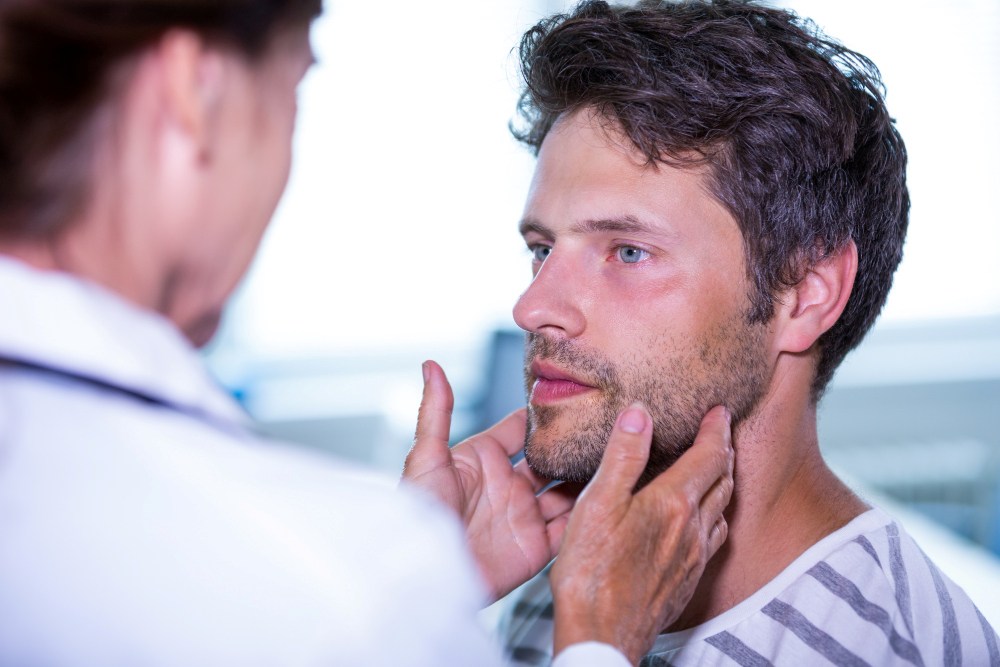
During examination, the masseter may be palpated at rest and during clenching to assess muscle prominence, symmetry, and contraction pattern. Clinicians also evaluate whether the apparent width of the lower face is primarily muscular or related to underlying mandibular anatomy or soft-tissue distribution.
For patients seeking treatment for pain, clenching, or bruxism-related symptoms, assessment should extend beyond muscle size. Dental wear, masticatory muscle tenderness, temporomandibular joint findings, sleep-related factors, behavioral habits, and alternative causes of facial pain may need to be considered.
Reduced skin elasticity, lower facial soft-tissue volume, and pre-existing asymmetry may influence the aesthetic outcome. Excessive reduction in masseter volume can contribute to unwanted facial hollowing, altered contour, or changes in smile dynamics in some patients.
The following clinical considerations may guide pre-treatment assessment:
| Assessment Parameter | Clinical Observation | Evaluation Objective |
|---|---|---|
| Masseter Size and Activity | Palpation and observation at rest and during clenching | Determining whether lower facial prominence is substantially related to masseter muscle volume |
| Dental and Functional Assessment | Tooth wear, occlusal findings, muscle tenderness, and relevant jaw symptoms | Identifying bruxism-related findings and excluding alternative causes of discomfort |
| Facial Soft-Tissue Characteristics | Skin elasticity, facial volume, and mandibular contour | Assessing the likelihood of excessive hollowing, contour changes, or skin laxity after treatment |
| Facial Symmetry | Comparison of masseter prominence and lower facial contour on both sides | Identifying pre-existing asymmetry and planning individualized treatment |
What Is the Clinical Procedure for Masseter Injections?
The clinical procedure for masseter botox is usually performed during a brief outpatient appointment. Treatment time varies according to the assessment, injection technique, and number of injection sites required.
Before injection, the clinician reviews the patient’s medical history, treatment goals, facial anatomy, muscle activity, and potential contraindications. The skin is cleansed, and the masseter muscle is identified by palpating the area while the patient clenches.
Injection sites are selected according to individual anatomy rather than a single universal pattern. Clinicians generally keep injections within the anatomical boundaries of the masseter and away from nearby facial expression muscles to reduce the risk of unwanted weakness or smile asymmetry.
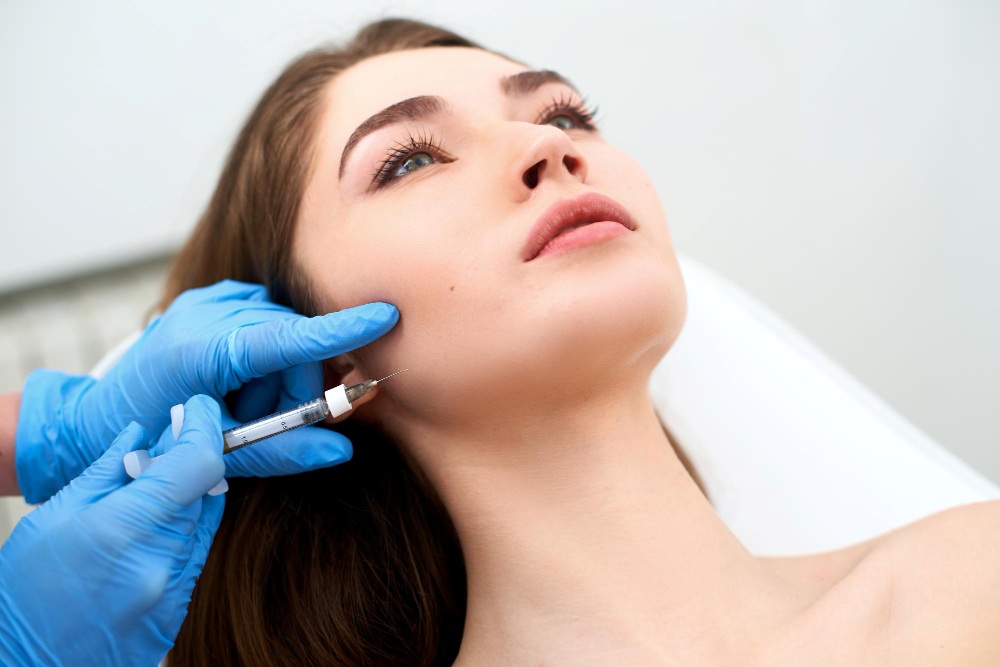
Using a fine needle, botulinum toxin type A is injected intramuscularly into selected areas of the masseter. The number and location of injections vary according to muscle size, asymmetry, treatment indication, formulation, and clinician technique.
Dosage must also be individualized. Potency units differ between botulinum toxin products and cannot be directly compared or converted between formulations.
What Post-Treatment Care Is Recommended After Masseter Botox?

Most patients can return to routine daily activities shortly after masseter botox. Specific aftercare recommendations vary between clinicians and products, and patients should follow the instructions provided by their treating healthcare professional.
Common recommendations may include:
- Avoid Manipulating the Injection Sites: Avoid vigorous rubbing or massage of the treated areas during the early post-injection period unless specifically instructed otherwise.
- Follow Activity Recommendations: Your clinician may provide temporary guidance regarding vigorous exercise, heat exposure, or other activities after treatment.
- Monitor Injection Sites: Mild redness, swelling, tenderness, or bruising can occur and usually resolves spontaneously.
- Review Medications and Supplements Appropriately: Do not stop prescribed anticoagulants, antiplatelet medications, or other medicines without guidance from the prescribing healthcare professional.
- Follow Individualized Instructions: Contact the treating clinician if unexpected weakness, significant asymmetry, swallowing difficulty, breathing problems, or other concerning symptoms occur.
What Potential Risks and Side Effects Can Occur with Masseter Botox?
Masseter botox is generally well tolerated when performed by an appropriately trained healthcare professional, but adverse effects can occur. Depending on the country, product, and treatment indication, injection of botulinum toxin into the masseter for facial contouring, bruxism, or TMD-related symptoms may be an off-label use.
Common temporary reactions can include injection-site pain, redness, swelling, bruising, headache, or local tenderness. Reduction in masseter activity may also temporarily affect chewing strength or endurance, particularly when chewing firm foods.
Potential complications include:
Smile Asymmetry and Adjacent Muscle Weakness
Unintended diffusion of botulinum toxin to nearby facial expression muscles can produce temporary smile asymmetry or weakness around the corner of the mouth. Careful anatomical assessment, injection placement, and individualized dosing help reduce this risk.
Botulinum toxin effects are temporary, but recovery time varies depending on the extent of muscle involvement, product used, dose, and individual response.
Paradoxical Masseter Bulging
Paradoxical masseter bulging is an uncommon complication in which part of the masseter becomes more prominent during clenching after treatment. It may result from uneven weakening of different muscle portions or anatomical variations within the masseter.
Management depends on the clinical presentation and may include observation or additional targeted treatment after reassessment by the treating clinician.
Lower Facial Hollowing and Soft-Tissue Laxity
Reduction in masseter volume can alter lower facial contour. In some individuals, particularly those with relatively low facial soft-tissue volume or reduced skin elasticity, treatment may accentuate cheek hollowing or contribute to an appearance of lower facial laxity.
Careful patient selection and conservative, individualized treatment planning can help reduce unwanted aesthetic changes.
Potential Effects on Mandibular Bone
Because masticatory muscles transmit mechanical forces to the mandible, researchers have investigated whether repeated reduction of masseter activity could influence mandibular bone remodeling.
Human evidence remains limited and inconsistent. Some studies have reported changes in cortical bone thickness after botulinum toxin injections into masticatory muscles, while the clinical significance and long-term effects remain uncertain. Repeated high-dose treatment therefore warrants appropriate clinical consideration, particularly when injections are performed over extended periods.
How Do Botulinum Toxin Injections Compare to Other Facial Contouring Treatments?
Lower facial contouring treatments target different anatomical structures, so the appropriate approach depends on whether facial width is primarily caused by muscle, bone, fat, or a combination of these factors.
Masseter botox primarily reduces activity and volume of hypertrophic masseter muscle. Other procedures target different tissues and therefore have different indications, risks, recovery periods, and expected duration of effect.
The following table provides a general comparison:
| Treatment Modality | Primary Target Tissue | Invasiveness and Recovery | Expected Duration |
|---|---|---|---|
| Masseter Botulinum Toxin | Masseter muscle | Non-surgical; usually minimal recovery | Temporary; duration varies between individuals |
| Buccal Fat Removal | Buccal fat pad | Surgical; recovery varies | Long-lasting reduction in removed fat volume |
| Mandibular Angle Reduction | Mandibular bone | Major surgery; longer recovery | Permanent skeletal alteration |
| Dermal Jawline Fillers | Soft-tissue contour | Minimally invasive; usually limited recovery | Temporary; varies according to filler product |
These procedures are not directly interchangeable. Accurate assessment of the anatomical source of lower facial width is necessary before selecting a treatment.
What Is the Typical Timeline for Masseter Botox Results?
The effects of masseter botox develop gradually rather than immediately. Reduction in muscle contraction generally begins within the first several days and becomes more noticeable over approximately one to two weeks, although individual responses vary.
Aesthetic changes in lower facial width develop more slowly because reduction in muscle volume takes time. Visible slimming may become noticeable over several weeks, with further changes occurring over the following two to three months.
The magnitude and timing of improvement vary between patients and treatment protocols. There is no single optimal dosing or treatment schedule that applies to all patients or all botulinum toxin formulations.
The duration of effect also varies according to the botulinum toxin formulation, dose, muscle characteristics, treatment indication, and individual neuromuscular recovery. Effects commonly diminish gradually over several months as neuromuscular activity returns.
Repeat treatment may be considered when the clinical or aesthetic effect decreases, but treatment intervals and cumulative exposure should be individualized rather than following a fixed schedule.
How Do Posterior Dental Issues Interfere with Jaw Muscle Comfort?

The masticatory muscles function in close coordination with the teeth, temporomandibular joints, and surrounding oral structures. Acute inflammation or infection in the posterior oral region can sometimes contribute to protective muscle guarding, pain on opening, or trismus.
A common source of posterior oral inflammation is an impacted or partially erupted third molar, particularly when pericoronitis develops around the tooth. Inflammation in this region can make chewing and mouth opening uncomfortable and may contribute to restricted mandibular movement.
In these clinical situations, performing a timely wisdom tooth evaluation directly identifies the underlying inflammatory source. Differentiating between primary muscular clenching and dental infection ensures that patients receive the correct clinical therapy rather than attempting to manage dental pathology with masseter botox alone.
What Factors Determine Dosage and Longevity in Masseter Treatments?
The dosage of botulinum toxin type A used for masseter treatment is highly individualized. It depends on factors such as baseline muscle size, asymmetry, treatment indication, facial anatomy, previous response, and the specific botulinum toxin formulation being used.
Individual response and duration also vary between patients and may be influenced by dose, injection technique, muscle activity, treatment history, and neuromuscular recovery.
Because potency units are product-specific, clinicians determine dosing according to the particular botulinum toxin formulation selected. Units from different products should not be considered interchangeable.
Key variables influencing dosage and duration include:
- Baseline Muscle Mass: Larger or more prominent masseter muscles may require different dosing than smaller muscles, depending on the treatment objective.
- Degree of Muscular Activity: Patients with pronounced clenching or increased masticatory muscle activity may require individualized treatment planning.
- Formulation Characteristics: Different botulinum toxin products have distinct potency assays and clinical dosing profiles.
- Treatment History: Previous response to treatment, duration of effect, and development of asymmetry or adverse effects can influence future treatment planning.
What Long-Term Safety Evidence Exists for Masseter Injections?
Botulinum toxin type A has been used for many years across a range of therapeutic and aesthetic indications. However, the long-term evidence specifically relating to repeated masseter injections is more limited than the broader safety data for botulinum toxin use in other clinical settings.
Most adverse effects from masseter injections are localized and temporary, but repeated treatment can alter muscle volume and function over time. Researchers have also investigated whether prolonged reduction in masticatory muscle loading may influence mandibular bone remodeling, although current human evidence is limited and the clinical significance of reported changes remains uncertain.
For this reason, repeated masseter botox should be based on ongoing clinical reassessment rather than automatic retreatment at fixed intervals. Treatment planning should consider the patient’s symptoms, aesthetic goals, chewing function, facial changes, previous response, and cumulative exposure.
Conservative, individualized dosing and appropriate follow-up can help clinicians identify changes in muscle function, facial contour, or treatment response over time.
What Questions Should You Ask During Your Masseter Botox Consultation?
A detailed consultation is important before masseter botox because the treatment should be based on individual anatomy, symptoms, treatment goals, and relevant medical and dental history.
Patients should discuss whether their concerns are primarily aesthetic, related to clenching or bruxism, or associated with another cause of facial pain. The clinician should also assess whether masseter botox is appropriate or whether another diagnostic or treatment approach should be considered first.
Essential topics to cover during your clinical consultation include:
- Provider Credentials: Ask about the injector’s professional qualifications, training, and experience with lower-facial anatomy and botulinum toxin treatments.
- Product Formulation: Ask which botulinum toxin formulation will be used and how the dose will be individualized.
- Anatomical Suitability: Discuss whether your muscle size, facial structure, soft-tissue volume, and skin characteristics make you an appropriate candidate.
- Treatment Goals: Clarify whether the treatment is intended primarily for facial contouring, muscular symptoms, or both.
- Alternative Approaches: Discuss whether behavioral strategies, physical therapy, dental appliances, pain management, or other approaches may be more appropriate depending on the diagnosis.
- Potential Risks: Review possible complications, expected duration of effect, follow-up requirements, and circumstances in which additional treatment may or may not be appropriate.
Frequently Asked Questions About Masseter Botox
Does masseter botox hurt?
Most patients experience only brief discomfort during the injections. Fine needles are typically used, and some clinicians may use cooling or topical anesthetic when appropriate. Individual pain sensitivity varies.
Will masseter botox change how I chew or talk?
Speaking is generally unaffected when treatment is appropriately targeted to the masseter. Chewing strength or endurance may temporarily decrease, particularly when eating firm or chewy foods. The degree of change varies according to dose, anatomy, and individual response.
How is the dosage determined for masseter injections?
Dosage varies according to the specific botulinum toxin formulation, masseter muscle size, asymmetry, treatment goals, previous response, and individual anatomy. Because potency units differ between products, doses should not be directly compared across different brands.
Can masseter botox cause sagging skin or jowls?
Reduction in masseter volume can make pre-existing skin laxity, jowling, or facial hollowing more noticeable in some individuals. Risk depends on factors such as baseline muscle size, soft-tissue volume, skin elasticity, age-related changes, and the degree of muscle reduction.
How long does it take to see slimming results?
Reduction in muscle activity begins before visible facial contour changes develop. Aesthetic slimming usually appears gradually over several weeks, with further changes occurring over the following months. The timing and degree of improvement vary between individuals.
Is masseter botox a permanent fix for jaw clenching?
No. Botulinum toxin produces a temporary reduction in muscle activity and does not permanently eliminate bruxism or clenching. Symptoms and muscle activity may gradually return as the neuromuscular effect diminishes.
Can masseter botox make my smile uneven?
Yes. Temporary smile asymmetry can occur if nearby facial expression muscles are unintentionally affected. Appropriate anatomical assessment, injection placement, and individualized dosing help reduce this risk but cannot eliminate it completely.
Can I get masseter botox if I wear a nightguard?
A nightguard and botulinum toxin address different aspects of bruxism-related problems and may sometimes be used together following individualized assessment by your dental professional.
How often should treatments be repeated?
There is no universal retreatment interval for masseter botox. Repeat treatment should be based on the return of muscle activity or symptoms, aesthetic goals, previous treatment response, adverse effects, and clinical reassessment rather than a fixed schedule.
What should I avoid doing right after the injections?
Follow the specific aftercare instructions provided by your treating clinician. Recommendations may include avoiding vigorous rubbing or massage of the treated area for a short period and following any temporary activity restrictions advised by the provider.
English
Turkish
Deutsch