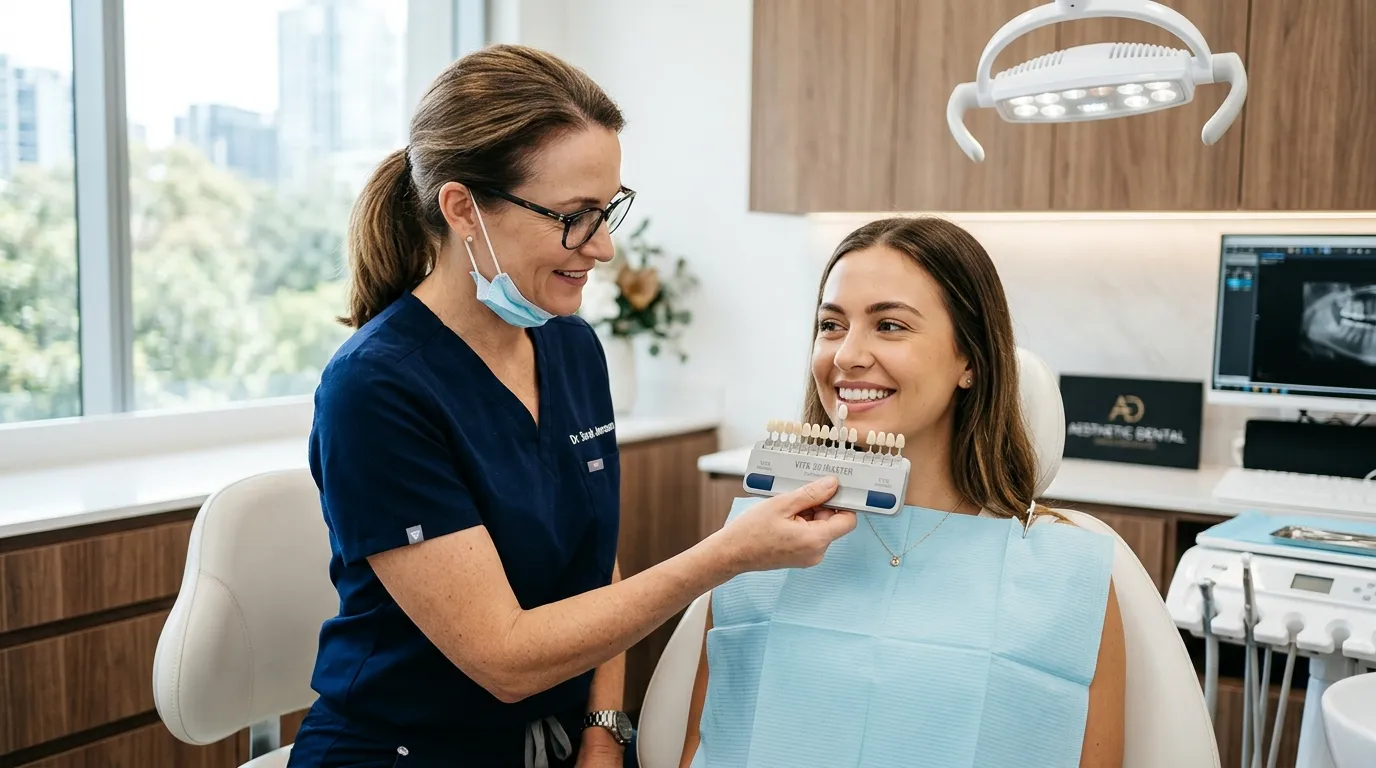
A bright, radiant, and symmetrical smile is often considered one of the most powerful personal assets, influencing self-confidence, interpersonal interactions, and professional impressions. In modern aesthetic dentistry, Laminate Veneers have emerged as one of the most effective and popular treatments for transforming compromised smiles into flawless works of art. Whether dealing with stubborn discoloration, uneven gaps, chipped enamel, or minor misalignment, these ultra-thin restorations offer a transformative solution that balances cosmetic perfection with natural dental conservation.
Over the past few decades, advancements in dental materials science and adhesive technology have elevated cosmetic dentistry to unprecedented heights. Today, patients no longer need to settle for invasive treatments that require significant reduction of healthy tooth structure. Furthermore, with the rise of international dental excellence, Turkey—and particularly the vibrant metropolis of Istanbul—has established itself as the premier global capital for cosmetic smile transformations. Leading dental institutions like Trakyadent are at the forefront of this evolution, combining world-class clinical expertise, cutting-edge digital technology, and famous Turkish hospitality to deliver life-changing cosmetic outcomes.
This comprehensive guide explores everything you need to know about laminate veneers, including their composition, procedure, candidate selection, benefits, costs, longevity, and post-treatment maintenance.
Contents
ToggleWhat Are Laminate Veneers?
Laminate veneers are custom-crafted, ultra-thin shells made from high-strength dental porcelain or advanced ceramic materials designed to cover the front surface of teeth. Ranging in thickness from approximately 0.3 mm to 0.7 mm—roughly equivalent to the thinness of a contact lens—these restorations are permanently bonded to the anterior tooth structure to alter color, shape, size, length, and overall symmetry.
Unlike full coverage dental crowns, which require the reshaping and reduction of the entire tooth circumferential wall, laminate veneers focus primarily on the facial or visible aspect of the tooth. By preserving the majority of the natural enamel and dentin, this treatment preserves tooth vitality while achieving optimal cosmetic refinement. In cases where patients require extensive structural reinforcement, long-lasting zirconia crowns in Turkey offer an alternative restorative approach.
Material Science Behind Laminate Veneers
The success and lifelike appearance of laminate veneers rely heavily on the material selected for fabrication:
- Lithium Disilicate Glass-Ceramics (e.max): Known for superior flexural strength (ranging between 360 to 500 MPa) and exceptional light translucency. Lithium disilicate allows light to pass through the restoration in a manner almost identical to natural dental enamel.
- Feldspathic Porcelain: The traditional choice for handcrafted restorations. Meticulous hand layering allows master lab technicians to create subtle nuances, micro-textures, and depth of color, making feldspathic laminate veneers ideal for ultra-thin, highly customized aesthetic enhancements.
- Zirconia-Reinforced Ceramics: Utilized primarily in cases where high tensile strength is required. While slightly less translucent than lithium disilicate, modern translucent zirconia formulations offer robust durability against biting forces.
Additionally, custom-engineered emax veneers provide exceptional light refraction, while classic porcelain veneers remain a versatile option for comprehensive cosmetic enhancements.
Comparison of Dental Aesthetic Options
To fully understand the place of laminate veneers in modern restorative dentistry, it is helpful to compare them against alternative cosmetic procedures.
| Feature | Laminate Veneers | Dental Crowns | Composite Bonding | Lumineers (No-Prep) |
|---|---|---|---|---|
| Enamel Reduction | Minimal (0.3mm – 0.7mm) | Substantial (1.5mm – 2.0mm) | Minimal to None | None to Micro-prep |
| Primary Material | Lithium Disilicate / Feldspathic | Porcelain fused to metal / All-Ceramic | Composite Resin | Ultra-thin Leucite Ceramic |
| Lifespan | 10 – 20 Years | 10 – 15+ Years | 4 – 7 Years | 10 – 15 Years |
| Stain Resistance | Outstanding | Outstanding | Moderate | Outstanding |
| Invasiveness | Low | High | Very Low | Non-invasive |
| Aesthetic Quality | Superior / Natural | Excellent | Good / Satisfactory | Good (Can look bulky) |
| Cost Range | Moderate to High | Moderate to High | Economical | High |

Who Is an Ideal Candidate for Laminate Veneers?
While laminate veneers can dramatically alter a smile, they are not universally suitable for every clinical situation. A successful treatment outcome begins with comprehensive patient selection and thorough diagnostic evaluation by experienced specialists at Trakyadent.
Indications for Treatment
- Intrinsic Tooth Discoloration: Severe stains caused by tetracycline use, fluorosis, root canal treatments, or aging that do not respond to professional chemical teeth whitening.
- Chipped or Worn Enamel: Teeth that have lost structural integrity or height due to minor trauma, erosion, or age-related attrition.
- Diastemas and Gaps: Unwanted spacing between adjacent front teeth that creates visual asymmetry.
- Minor Malalignment and Irregularities: Mildly rotated, crowded, or misshapen teeth where the patient prefers a rapid cosmetic solution over orthodontic treatment.
- Uneven Tooth Proportions: Teeth that are disproportionately small, narrow, or asymmetrical relative to the patient’s facial features and gum line.
Contraindications and Limitations
- Severe Bruxism (Teeth Grinding): Patients who grind or clench heavily during sleep may fracture ceramic restorations unless protected by a nightguard.
- Insufficient Enamel Depth: Laminate veneers rely on enamel bonding for structural stability. If enamel is severely eroded, full crowns may be indicated.
- Active Periodontal Disease: Uncontrolled gum inflammation, bone loss, or active decay must be fully treated before initiating cosmetic procedures.
- Severe Malocclusion: Complex bite misalignments or severe crowding require orthodontic intervention rather than cosmetic camouflaging.
In cases where teeth are missing completely, integrating surgical solutions such as dental implants in Turkey allows for a fully functional and aesthetic reconstruction.
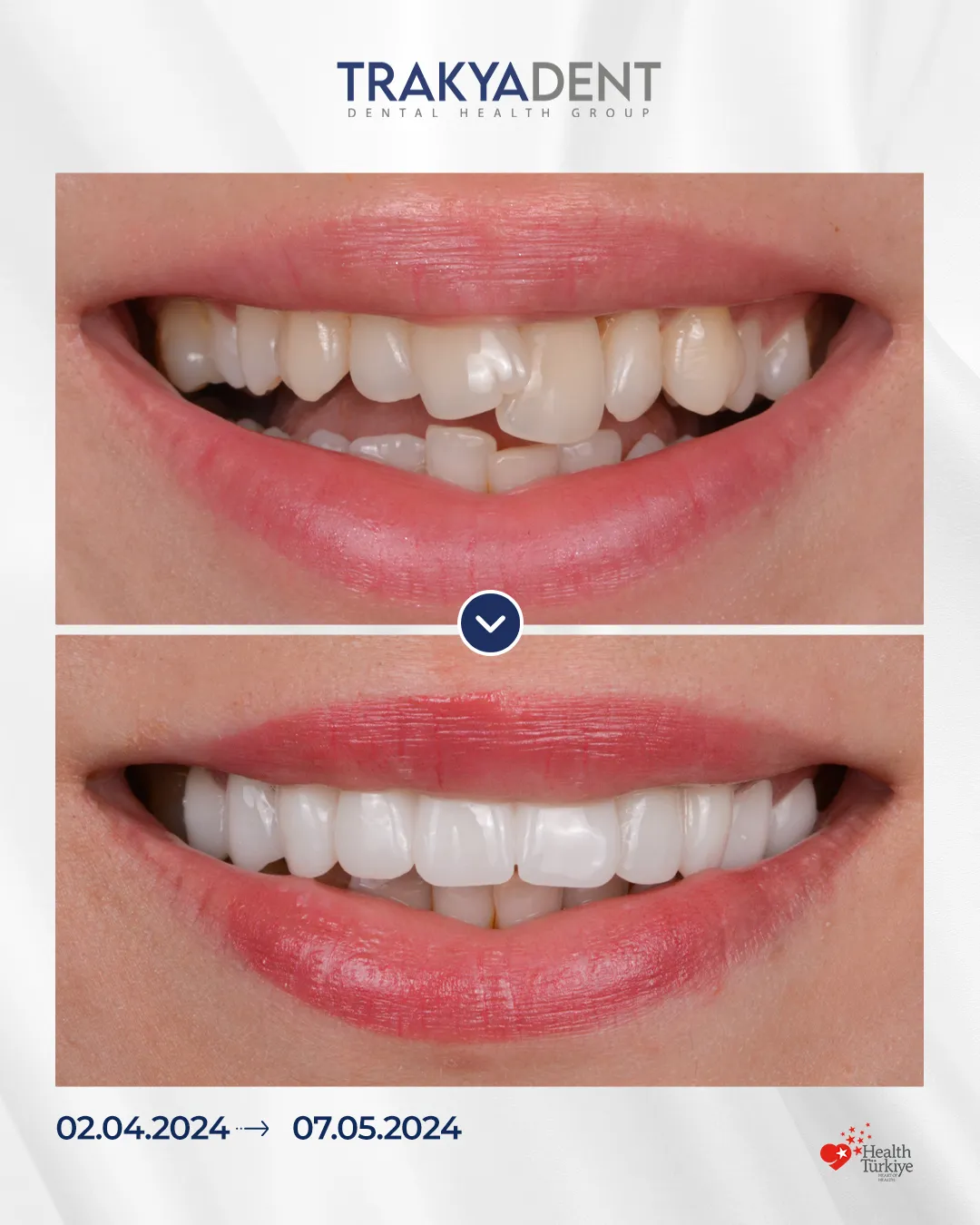
The Step-by-Step Procedure for Laminate Veneers
Achieving a natural, long-lasting smile with laminate veneers requires a structured clinical workflow combining digital diagnostic planning, artful laboratory fabrication, and precise clinical execution.
1. Comprehensive Consultation and Digital Smile Design (DSD)
The process begins with an in-depth evaluation of the patient’s dental history, facial aesthetics, and personal cosmetic goals. High-resolution intraoral photos, 3D digital scans, and facial videos are captured. Using Digital Smile Design (DSD) technology, Trakyadent specialists plan the ideal tooth proportions relative to the patient’s lips, facial midline, and smile curve.
2. Diagnostic Mock-Up
Before any physical tooth structure is modified, a diagnostic mock-up is created. Using temporary resin placed directly over the patient’s un-prepared teeth, the proposed smile design can be previewed in real-time. This step allows the patient and clinician to evaluate phonetic function, aesthetics, and shape harmony prior to commitment.
3. Precision Preparation and Impression
During the preparation appointment, local anesthesia is administered if necessary. The dentist precisely removes a micro-layer of enamel (typically 0.3mm to 0.5mm) from the front surface of the teeth. This creates a margin and ensures that the final laminate veneers lay flush with the natural tooth line without appearing bulky. An intraoral digital scanner or high-precision silicone impression material is used to record the prepared teeth.
4. Provisionalization (Temporary Veneers)
To protect the prepared enamel surface from temperature sensitivity and maintain aesthetic appearance during the laboratory fabrication period, temporary acrylic laminate veneers are placed on the teeth.
5. Laboratory Crafting
Master ceramists use computer-aided design and computer-aided manufacturing (CAD/CAM) milling or traditional hand-layering techniques to craft the custom laminate veneers. Subtle internal characterizations, incisal translucency, and natural micro-surface textures are built into each ceramic piece.
6. Try-in and Adhesive Bonding
Once fabricated, the provisional veneers are removed, and the permanent laminate veneers are placed using trial try-in pastes to verify fit, shade, and marginal integrity. Once approved by both clinician and patient, the inner ceramic surface is etched with hydrofluoric acid and silanated. The enamel surface is acid-etched and treated with a bonding agent. A light-cured resin cement is applied, the veneer is seated, and high-intensity curing light solidifies the chemical bond, integrating the ceramic restoration permanently with the natural tooth structure.
“The evolution of laminate veneers over the last decade represents a fundamental paradigm shift in cosmetic dentistry. In the past, achieving a dramatic aesthetic makeover often required aggressive tooth reduction. Today, with high-translucency lithium disilicate materials and adhesive resin systems, we can bond ceramic restorations at depths as thin as 0.3 millimeters. The key to long-term clinical success lies in remaining predominantly within the enamel layer during preparation. Enamel bonding offers the highest bond strength available in restorative dentistry. When laminate veneers are properly bonded to enamel, the restored tooth unit achieves flexural rigidity and structural behavior remarkably similar to an intact natural tooth. Patients must remember that success relies equally on precise clinical preparation, master lab artistry, and careful post-treatment oral care.”
Advantages and Benefits of Laminate Veneers
Choosing laminate veneers offers numerous aesthetic, physiological, and psychological benefits:
- Natural Aesthetics and Opalescence: High-grade dental ceramics mimic the optical properties of natural enamel, absorbing and reflecting light in a biological way.
- Minimally Invasive Conservation: By preserving 80-90% of original enamel, the overall health and vital nerve center of the tooth remain uncompromised.
- Stain and Glaze Resilience: Unlike natural enamel or composite resin, glazed ceramic surfaces are non-porous and highly resistant to permanent staining from coffee, red wine, tea, and tobacco.
- Periodontal Biocompatibility: Dental ceramic is extremely smooth, minimizing bacterial plaque retention and allowing surrounding soft gum tissues to remain healthy and uninflamed.
- Instant Orthodontic Camouflage: Dubbed “instant orthodontics,” laminate veneers can instantly close diastemas and correct subtle rotations without requiring years of clear aligners or traditional braces.
Why Choose Turkey and Istanbul for Your Smile Transformation?
Where history, culture, and natural beauty converge with unprecedented elegance, Istanbul stands as one of the world’s most breathtaking and legendary metropolises. Spanning two continents across the magnificent Bosphorus, Istanbul captivates visitors with its majestic skyline, centuries of rich heritage, vibrant urban rhythm, and world-renowned hospitality.
Receiving cosmetic dental treatment in Istanbul is not merely a medical journey—it is an enchanting cultural experience. Today, Turkey has established itself as the world’s leading destination for medical and dental tourism, with Istanbul acting as its glittering crown jewel. Thousands of international patients travel to Istanbul every year to experience world-class smile design at Trakyadent.
Key Advantages of Getting Veneers in Turkey:
- An Unforgettable Destination: Istanbul offers patients the rare privilege to explore magnificent historic landmarks, indulge in exquisite gastronomy, and cruise along the picturesque Bosphorus while undergoing their cosmetic smile transformation.
- World-Class Clinical Expertise: Turkish cosmetic dentists and prosthodontists are globally renowned for their precision, extensive international training, and unmatched experience in complex aesthetic reconstructions.
- Cutting-Edge Dental Technology: Clinics like Trakyadent feature state-of-the-art diagnostic and manufacturing technologies, including 3D intraoral scanners, CAD/CAM milling units, and dedicated Digital Smile Design studios.
- Unbeatable Value and Cost Efficiency: Patients can save up to 50–70% compared to treatment costs in the UK, Western Europe, or North America, without compromising on top-tier European or American ceramic materials (such as IPS e.max).
- Comprehensive VIP Care: Trakyadent offers seamless end-to-end patient care, including personalized treatment plans, private airport transfers, luxury accommodation arrangements, and multi-lingual patient coordinators.

Care and Maintenance Guidelines
Proper daily oral hygiene and proactive care are crucial for maximizing the lifespan of your laminate veneers. While the ceramic material itself cannot decay, the natural underlying tooth structure remains vulnerable to dental caries along the margins.
Daily Care Best Practices
- Non-Abrasive Oral Hygiene: Use a soft-bristled toothbrush and non-abrasive fluoride toothpaste. Highly abrasive whitening toothpastes can scratch the outer ceramic glaze over time.
- Daily Flossing: Floss daily using non-shredding dental floss or an interdental cleaner to prevent interproximal plaque buildup at the veneer margins.
- Avoid Mechanical Overload: Avoid using your teeth as tools to open packaging, bite fingernails, or crunch on hard items like ice, hard candy, or nuts.
Recommended Maintenance Schedule
| Timeframe | Recommended Action | Primary Objective |
|---|---|---|
| Daily (Morning & Night) | Brush for 2 minutes; floss interdental spaces; rinse with alcohol-free mouthwash. | Prevent marginal plaque accumulation and gingival inflammation. |
| Every 6 Months | Professional dental cleaning and polishing using non-abrasive prophylactic paste. | Maintain ceramic surface luster and assess marginal seal integrity. |
| Annually | Comprehensive clinical examination and bite evaluation. | Verify occlusal balance and detect early signs of wear or nocturnal bruxism. |
| Nightly (If applicable) | Wear a custom-fitted occlusal nightguard. | Protect ceramic restorations against involuntary nocturnal grinding forces. |
Cost Factors and Global Economic Trends
The investment required for laminate veneers varies widely depending on multiple clinical, geographical, and laboratory variables.
Key Factors Influencing Cost
- Clinician Expertise and Reputation: Highly experienced aesthetic specialists and prosthodontists typically command higher fees.
- Laboratory Master Carving: Custom hand-layered ceramic restorations crafted by elite dental technicians incur higher lab production fees than standard milled blocks.
- Number of Units: Treating a full “smile zone” (typically 8 to 10 upper teeth) involves different scaling than restoring a single central incisor.
- Geographical Location: Clinical overhead, regional economic conditions, and dental tourism markets significantly impact price points worldwide.
Frequently Asked Questions About Laminate Veneers
Is the application of laminate veneers painful?
The procedure for getting laminate veneers is virtually painless. During the enamel preparation phase, local anesthesia is routinely administered to ensure complete patient comfort. After the temporary or permanent restorations are placed, patients may experience mild, transient thermal sensitivity to hot or cold foods for a few days, which typically subsides naturally as the tooth adapts.
How long do laminate veneers typically last?
When properly crafted, placed, and maintained, high-quality ceramic laminate veneers can last anywhere from 10 to 20 years. Their longevity depends significantly on the patient’s oral hygiene, bite dynamics, avoidance of traumatic habits, and attendance at routine bi-annual dental checkups.
Can laminate veneers become stained over time?
No. High-grade porcelain and lithium disilicate ceramics used at Trakyadent are non-porous materials. Unlike natural tooth enamel or composite resin bonding, laminate veneers do not absorb pigments from coffee, red wine, tea, or food dyes. However, the exposed tooth margins around the restoration can still accumulate surface stains if oral hygiene is neglected.
Are laminate veneers reversible?
In most clinical scenarios, the treatment is irreversible. Because a small amount of outer tooth enamel (0.3mm to 0.7mm) is removed to accommodate the restoration, the natural tooth will always require a coverage restoration—such as replacement laminate veneers or full crowns—to protect the exposed surface.
What is the difference between traditional laminate veneers and Lumineers?
The primary difference lies in thickness and preparation requirements. Lumineers are a specific brand of ultra-thin (0.2mm) veneers that often require minimal to no tooth preparation. However, traditional custom laminate veneers allow for superior customization of shape, color blocking, translucency, and optical depth, particularly in cases with dark underlying stains.
Why should I choose Trakyadent in Istanbul for my laminate veneers?
Trakyadent combines international-standard clinical expertise, certified original ceramic materials (like IPS e.max), and tailored digital smile design workflows in the heart of Istanbul. Patients benefit from premium cosmetic dental care, significantly lower prices compared to Western Europe or the US, and a dedicated team providing personalized assistance every step of the way.
Can I eat normally after getting laminate veneers?
Yes, you can eat a full, healthy diet once your permanent laminate veneers are bonded. However, caution is recommended when consuming extremely hard, crunchy, or sticky foods. You should avoid using your front teeth to bite directly into hard objects like ice, bones, hard candies, or unpeeled apples.
How do I choose the correct shade for my laminate veneers?
Shade selection is a collaborative process between you, your Trakyadent dentist, and the ceramic technician. Factors such as skin undertones, eye color, age, and natural tooth shade are taken into consideration. Many patients choose a bright yet natural shade that matches the whites of their eyes to ensure a balanced, authentic appearance.
What should I do if a laminate veneer comes loose or chips?
If a restoration chips or dislodges, keep the piece safe and contact your cosmetic dentist immediately. Do not attempt to reattach the ceramic shell using household adhesives or superglue, as this can permanently damage your tooth structure. In many cases, dislodged intact laminate veneers can be re-bonded professionally.
How do laminate veneers impact gum health?
When placed by a skilled clinician, laminate veneers are designed with smooth, precise margins that meet flush with the gum line. Because high-quality dental ceramic is highly biocompatible and resistant to bacterial plaque buildup, the surrounding gum tissue remains healthy, pink, and free of inflammation when supported by consistent brushing and flossing.
English
Turkish
Deutsch