 English
 Turkish
 Deutsch

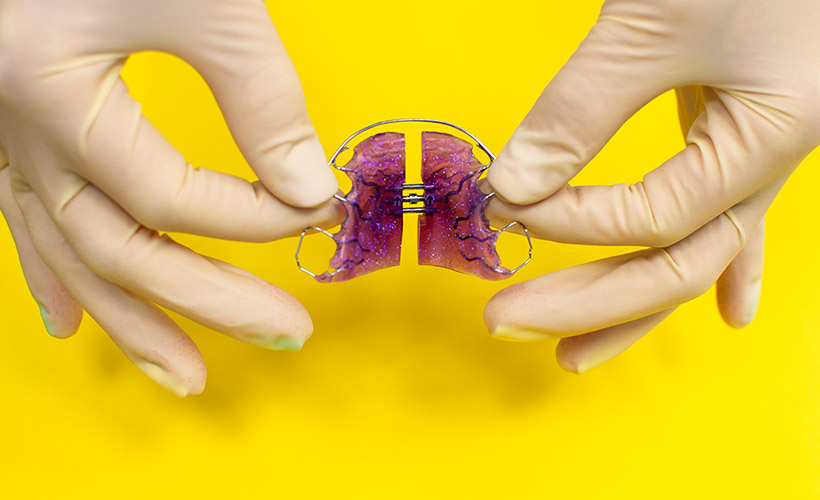
Joint splint therapy is used to treat disorders that can significantly affect a person’s daily quality of life. The temporomandibular joint (TMJ), commonly abbreviated as TME in Turkish, is located on both sides of the head, just in front of the ears. Its main function is to connect the jawbone (mandible) to the skull. This joint allows forward, backward, and side-to-side movements, enabling essential functions such as chewing, swallowing, and speaking. The joint is surrounded by muscles, bones, and connective tissues, which is why TMJ disorder symptoms can manifest as pain in the ear, jaw, or facial muscles.
TMJ disorders can arise from many different causes. Early diagnosis not only shortens treatment duration but also makes recovery easier and more comfortable for the patient. Before exploring treatment methods, let’s look at who is most commonly affected by joint problems.
Who Can Develop TMJ Disorders?
TMJ disorders can occur at any age, although they are more frequently seen in adults and the elderly. Maintaining proper oral hygiene and attending regular dental checkups are essential for prevention. People who experience jaw pain, clenching, or teeth grinding (bruxism) should seek treatment promptly. Those who hear clicking or popping sounds in their jaw while eating or speaking should also consult a dentist.
Chewing predominantly on one side can increase the likelihood of developing joint splint issues. Genetic predisposition also plays a significant role—some individuals are born with structural irregularities in the jaw joint. In such cases, early diagnosis and treatment lead to more effective outcomes.
How Is Joint Splint Treatment Performed?
Many patients are unaware that they have a TMJ disorder, as symptoms can be mild or mistaken for dental problems. Proper diagnosis requires a comprehensive examination, which may include imaging techniques such as panoramic X-rays or CT scans to visualize the joint structure.
Once a diagnosis is made, the treatment plan begins. This may involve exercises to relax the jaw muscles and improve joint mobility. In some cases, collaboration with a physiotherapist is recommended. Medication may be prescribed to relieve pain and inflammation. For patients diagnosed with bruxism (teeth grinding or clenching during sleep), a custom-made night guard is often used. The patient wears this splint before bedtime to prevent clenching and grinding, which helps reduce pressure on the joint and prevents further damage.
Surgical treatment is generally considered a last resort. If conservative treatments such as splints, physical therapy, or medications do not provide relief, surgery may be performed to restore proper joint function and relieve pain, improving the patient’s overall quality of life.
Jaw Joint Splint
In some cases, minor TMJ issues resolve on their own. However, self-healing is not always possible. Warm compresses and gentle jaw massages can help relax the muscles. Patients who habitually chew hard foods may find it difficult to open their mouths or may experience discomfort when yawning.
When patients report persistent pain or restricted jaw movement, a thorough dental examination is essential. If necessary, medication or other treatments may be prescribed. Since TMJ pain can occasionally result from infection, identifying the root cause is important. Night guards made from clear acrylic are particularly effective for patients who grind or clench their teeth during sleep. These appliances protect the teeth and surrounding tissues from damage. Surgical treatment is only considered if no improvement is achieved with non-surgical options.
What Is a Splint?
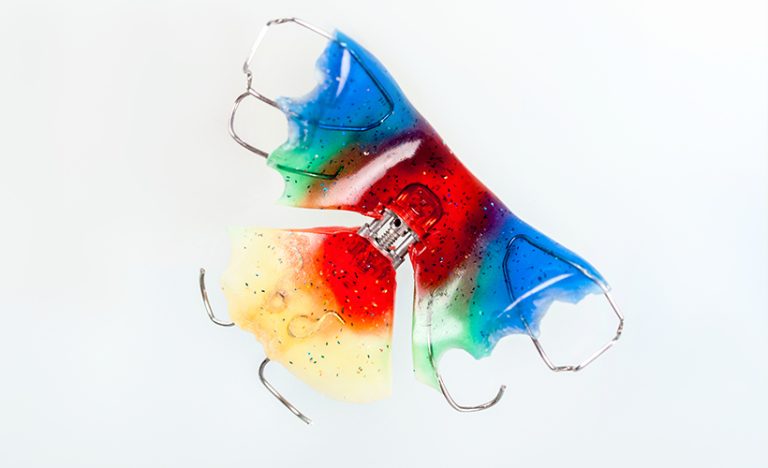
During your research on joint splint therapy, you may encounter the term “splint,” which refers to the same concept. A splint is a transparent dental appliance made to fit either the upper or lower jaw. It sits between the teeth and can be easily inserted or removed. Its purpose is to guide the jaw into a proper position and relax the surrounding muscles, particularly in cases of misalignment. Depending on the severity of the problem, it may be worn only at night or throughout the day.
When Is a Splint Used?
Proper jaw movement is essential for joint health. Splints help align the TMJ and teeth, allowing the lower jaw to move freely and comfortably. Often called a “night guard,” the splint prevents direct tooth contact, reducing stress on the joint. Since every patient’s jaw structure is unique, splints are custom-made for an ideal fit.
Splints are used to treat a variety of conditions, including bruxism, TMJ dysfunction, and snoring. They are also prescribed when patients experience jaw pain, limited movement, or clicking sounds during chewing and speaking. Regular and consistent use is critical for optimal results. Over time, patients who wear their splints as instructed often notice significant relief from pain and improved jaw mobility.
Joint Splint Cost
The cost of a joint splint varies depending on several factors. Since splints are custom-made based on individual mouth impressions, pricing differs between patients. The complexity of the case, material type, and additional diagnostic procedures can also affect the cost. Therefore, an accurate price estimate can only be provided after a clinical examination and impression-taking session.
Who Can Experience TMJ Problems?
As previously mentioned, joint splint disorders can affect both men and women of all ages, although they are more common in adults. Genetic factors may also contribute, meaning jaw joint problems can occur even at a young age. If you suspect a TMJ issue or are experiencing related symptoms, consult your dentist for a professional evaluation and personalized treatment plan.


