English
 Turkish
 Deutsch

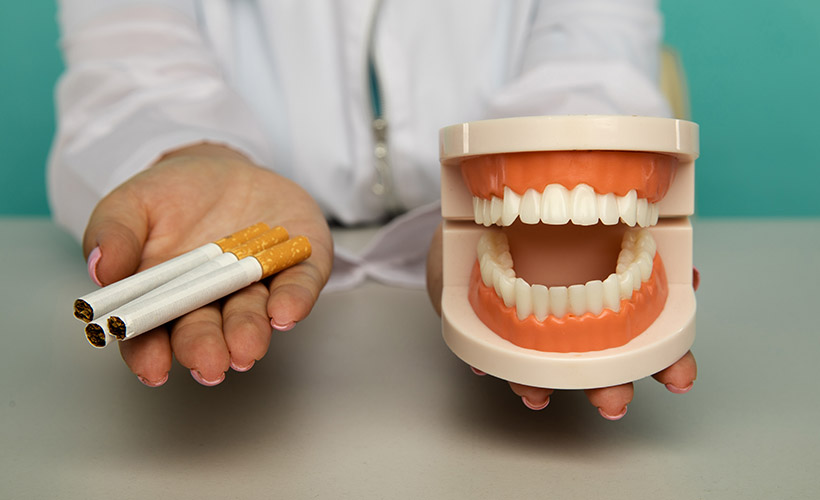
Effects of Smoking on Oral Health are far more severe than many people assume. Just as tobacco products harm overall health, they also negatively impact the mouth and teeth. The smoke and nicotine in cigarettes cause visible stains on the tooth surface and contribute significantly to tooth discoloration and yellowing. Smokers often develop brownish stains on their teeth, which worsen over time.
However, the effects of smoking are not limited to stains and discoloration. Cigarette use accelerates plaque and tartar formation, particularly among those who neglect proper oral hygiene. Plaque and tartar that are not removed can lead to various dental problems and eventually cause gum diseases, which progress faster in smokers.
In addition, plaque and tartar buildup worsen tooth discoloration and surface stains. Smoking also negatively affects the salivary glands, as smoke and odor penetrate the cheeks, tongue, and gums. This can reduce or completely stop saliva production, leading to dry mouth (xerostomia). Next, let’s explore which oral diseases smoking causes and how it affects dental treatments.
Contents
ToggleOral and Dental Diseases Caused by Smoking
Contrary to popular belief, the effects of smoking on oral health extend beyond tooth staining. One of the most serious consequences is oral cancer. Smokers have a significantly higher risk of both lung and oral cancers. Additionally, the likelihood of respiratory infections and cardiovascular disease is greatly increased.
Smoking acts as a trigger for many types of cancer. Chronic exposure to smoke irritates oral tissues, increasing the growth of malignant cells in the lips, gums, and throat. Toxic substances in tobacco damage healthy cells, which over time can lead to cell mutations, inflammation, gum recession, and even tooth loss.
How Smoking Negatively Affects Oral Treatments
Smoking causes blood vessels to constrict, reducing blood circulation. When blood flow decreases, the body’s ability to heal after dental procedures diminishes. The nicotine and chemicals in cigarettes settle in the treated areas, slowing recovery, increasing irritation, and raising the risk of infection.
How to Minimize the Effects of Smoking on Oral Health
Because the effects of smoking on oral health are extremely harmful, quitting smoking is the most effective solution. Even exposure to cigarette smoke in social environments can be damaging. As long as smoking continues, it’s impossible to eliminate its negative impact on oral tissues.
Maintaining a consistent oral hygiene routine is essential. Brushing twice daily, flossing, and scheduling regular dental check-ups can help reduce some damage. However, these measures cannot fully counteract the effects of smoking if tobacco use persists.
Does Smoking Cause Tooth Loss?
While smoking may not directly cause tooth loss, it plays a major indirect role. It weakens the immune response against gum infections and slows down healing. As a result, gum disease progresses more quickly, and the supporting bone tissue weakens—eventually leading to tooth loss.
Can Smoking Cause Mouth Sores?
Yes, tobacco use can lead to mouth sores. Smoking reduces blood flow, making wounds heal slower and more prone to infection. This can cause irritation in the gums and inner lining of the mouth. Passive smokers—people exposed to cigarette smoke regularly—are also at risk, as they inhale the same harmful chemicals that affect oral tissues. Therefore, avoiding smoking environments is strongly advised.
How Does Smoking Affect Bad Breath?
Halitosis, or bad breath, is one of the most common effects of smoking on oral health. Chemicals in cigarettes alter the natural bacterial balance of the mouth, leading to unpleasant odors. Smoking also reduces saliva production, causing dry mouth—a key contributor to bad breath. The accumulation of dental plaque and the delayed healing of oral wounds further intensify this problem.
Because gum tissues rely on blood flow for nourishment, restricted circulation makes them more susceptible to infection. The heat from cigarette smoke also increases inflammation, raising the likelihood of gum disease and chronic oral odor.
Is Smoking the Leading Cause of Oral Cancer?
Among all effects of smoking on oral health, oral cancer is the most severe. Studies show that about 75% of oral cancer cases are linked to tobacco and alcohol use. Harmful chemicals in cigarette smoke penetrate the oral cavity, affecting even those who maintain good oral hygiene. Over time, these toxins damage tissue integrity and increase the risk of malignant transformation.