 English
 Turkish
 Deutsch


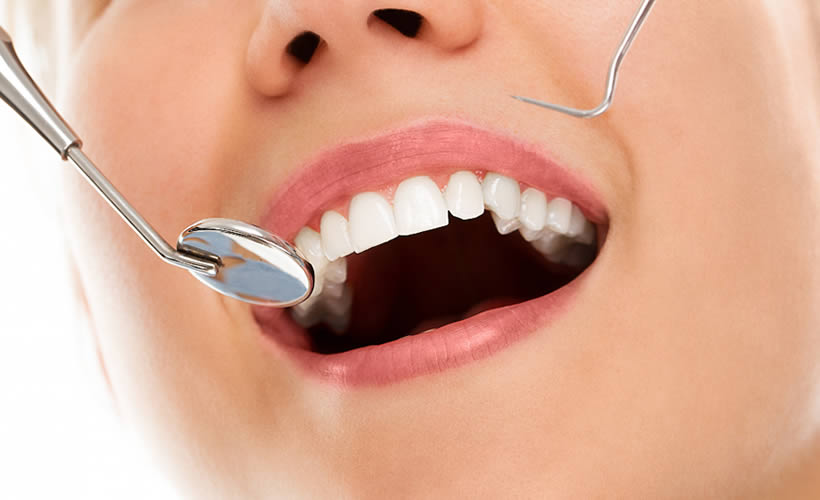
Bonding treatment has become increasingly popular in recent years thanks to the advantages it offers. One of its most important features is that it can be applied without the need to grind or shave the teeth. In this procedure, which is performed using composite filling materials, specially prepared materials are bonded to the tooth. In this way, the teeth gain a much more aesthetic appearance.
One of the most important characteristics of this procedure is that it does not damage the teeth. With this technique, which is applied without creating any trauma to the teeth, it is possible to correct minor shape irregularities. It can also be used when there are small gaps between teeth, provided these gaps are not too large. In this sense, we can say that it is one of the methods used to close diastemas. With a simple addition to the tooth, it is possible to achieve a much more impressive and striking aesthetic appearance.
Naturally, because it is such a popular and in-demand procedure, many aspects of bonding are a matter of curiosity. We will provide information about whether it causes pain, who can benefit from it, and what kind of advantages it offers. We will also clarify several other frequently asked questions. But first, let’s look at how the procedure is performed.
 Dental bonding, which is preferred not only to change the shape of a tooth but also to improve its colour, is a procedure that can be completed in a relatively short time. It should be emphasized that the main goal of this application is to avoid damaging the tooth. Sometimes, there may be very minor defects on the teeth. In such cases, bonding can be an ideal solution. After a simple examination by the dentist, a treatment plan is created. Within this plan, it is determined whether anesthesia will be required and which teeth will be included in the procedure.
During the procedure, bonding agents are used to create a strong connection between the tooth surface and the composite material. By applying a thin layer of bonding material to the tooth, imperfections are eliminated and the tooth gains a more natural and aesthetic shade. After the material is placed, the tooth is shaped, and as a final step, a simple polishing process is carried out. Polishing is important to prevent discoloration and to achieve a smooth tooth surface. If necessary, an additional polishing session can be performed about a week later to further reduce the risk of staining.
 The budget required for bonding treatment may not be the same for every patient. For this reason, giving a single fixed price for this procedure would be misleading. The number of teeth to be treated, the purpose of the bonding, and the experience of the dentist can all affect the cost. It is best to first have an examination and explain your complaints and expectations to your dentist. After this, an appropriate treatment plan will be created and you will be informed about the cost.
How Is Bonding Treatment Performed?
Dental bonding, which is preferred not only to change the shape of a tooth but also to improve its colour, is a procedure that can be completed in a relatively short time. It should be emphasized that the main goal of this application is to avoid damaging the tooth. Sometimes, there may be very minor defects on the teeth. In such cases, bonding can be an ideal solution. After a simple examination by the dentist, a treatment plan is created. Within this plan, it is determined whether anesthesia will be required and which teeth will be included in the procedure.
During the procedure, bonding agents are used to create a strong connection between the tooth surface and the composite material. By applying a thin layer of bonding material to the tooth, imperfections are eliminated and the tooth gains a more natural and aesthetic shade. After the material is placed, the tooth is shaped, and as a final step, a simple polishing process is carried out. Polishing is important to prevent discoloration and to achieve a smooth tooth surface. If necessary, an additional polishing session can be performed about a week later to further reduce the risk of staining.
Does Bonding Treatment Cause Pain?
As mentioned earlier, no grinding or shaving is done on the teeth during bonding treatment. There is also no intervention in the gums or jawbone. Therefore, it is very unlikely for the patient to feel pain or discomfort during the procedure. In most cases, there is no need for anesthesia at all, and the treatment is completed comfortably. Only in rare cases is local anesthesia used to numb the area. In short, there is no need to worry about pain or soreness with this procedure.How Long Does Bonding Last?
The quality of the materials used in dentistry can affect the lifespan of the procedure. If bonding is performed using high-quality materials, its lifespan can extend up to 10 years. Once this period is completed, the procedure can be repeated. In other words, bonding can be redone when needed. If any issues occur earlier than expected, such as chipping or wear, the treatment can be repeated at that time as well. It is also worth noting that the procedure is usually completed in a single session. However, for some patients, the number of sessions may range between 4 and 6. The determining factor here is the needs of the teeth. Each session typically lasts between 1 and 1.5 hours. When you consult your dentist about bonding, you can receive an estimated number of sessions tailored to your case.Who Can Have Bonding Treatment?
Bonding treatment is not only preferred to achieve a more regular tooth appearance; it can also be applied for different purposes. Therefore, it can be performed for a wide range of patients. Small gaps between teeth or minor fractures and chips are very common issues. This treatment is one of the most trusted methods used by patients to address such problems. We can briefly list who might benefit from this procedure:- Those who wish to lighten the colour of their teeth by a few shades
- Those who want to correct shape irregularities in a tooth
- Those with fractures or chips in one or more teeth
- Those who have small gaps between their teeth
- Those who want to even out the length of their teeth
- Those with notched or chipped edges on the front teeth and want to eliminate this appearance
- Those who aim to have a smoother tooth surface
Advantages of Bonding Treatment
Anyone considering bonding treatment for any reason also wants to know what advantages it offers. We can summarize the main benefits as follows:- No cutting or grinding of the teeth is required
- When gaps between teeth are to be closed, it is not necessary to reduce or trim the adjacent teeth
- Bonding can be used when the teeth are too short and therefore not visible when the person smiles or talks
- It can be used as a preliminary step to show patients how their teeth might look before porcelain veneers (laminates) are made
- In most cases, there is no need for local anesthesia before the procedure
- It provides a very fast solution to many aesthetic dental problems
What Should You Pay Attention to After the Procedure?
After having bonding treatment, patients should not neglect their oral and dental hygiene. Routine dental check-ups should also not be skipped. This procedure does not require any special or extra care during its lifespan. However, as always, regular brushing, flossing and general oral care remain very important. If issues such as staining or chipping occur, you should contact your dentist without waiting for your next scheduled appointment.How Much Does Bonding Cost?
The budget required for bonding treatment may not be the same for every patient. For this reason, giving a single fixed price for this procedure would be misleading. The number of teeth to be treated, the purpose of the bonding, and the experience of the dentist can all affect the cost. It is best to first have an examination and explain your complaints and expectations to your dentist. After this, an appropriate treatment plan will be created and you will be informed about the cost.
Can Bonding Break?
It would not be accurate to claim that teeth with bonding will never crack or break. Just as natural teeth carry a risk of fracture, bonding material can also break under certain conditions. To minimize this risk, habits such as biting on pens or eyeglass frames should definitely be abandoned. You should also avoid cracking hard-shelled foods like nuts with your teeth. A strong impact or trauma to the teeth can also cause fractures. If bonding breaks, you should contact your dentist as soon as possible. Minor fractures can often be repaired easily. You can write all your questions about bonding in the comments section.

