 English
 Turkish
 Deutsch


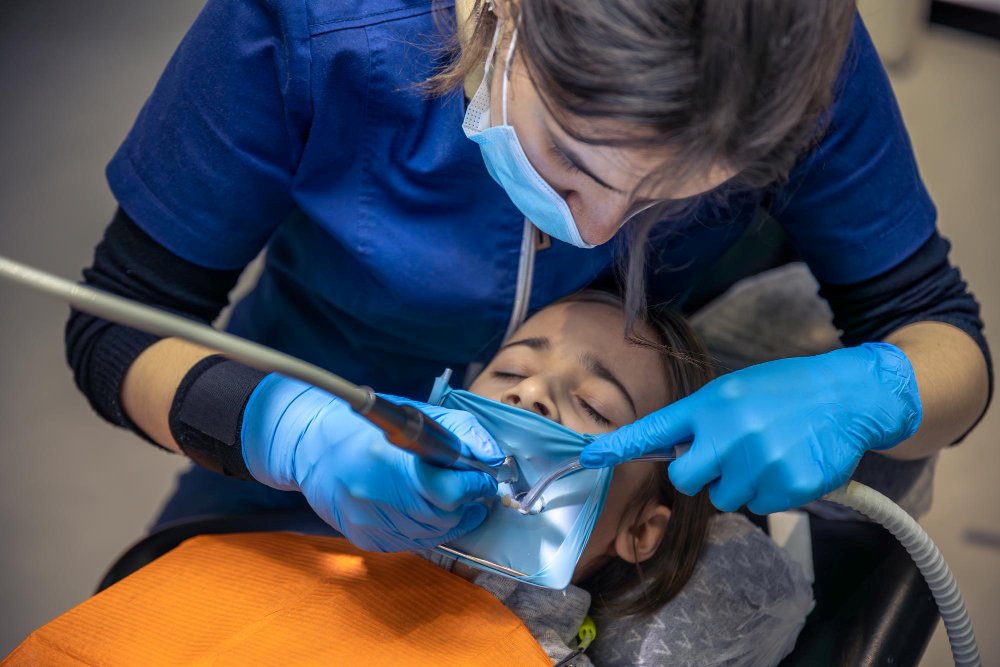
Providing safe, effective oral healthcare for young children requires tailoring clinical approaches to each child’s emotional maturity, medical history, ability to cooperate, and treatment needs. While many pediatric dental procedures can be completed with behavior guidance and local anesthesia, certain situations require advanced pharmacological support. In specialized pediatric dental care, general anesthesia in pediatric dentistry refers to the controlled administration of anesthetic medications to produce a state of unconsciousness, allowing necessary dental treatment to be performed without conscious awareness of the procedure.
Under general anesthesia, the child is unconscious and does not respond to surgical stimulation. A dedicated anesthesia professional—such as an anesthesiologist, dentist anesthesiologist, or another appropriately qualified anesthesia provider—continuously monitors the child’s physiological status, airway, oxygenation, and ventilation throughout the procedure. This separation of responsibilities allows the dental team to focus on providing the planned dental treatment while the anesthesia professional manages the child’s anesthetic care.
General anesthesia in pediatric dentistry is not used simply for convenience. It is considered when conventional behavior guidance or less intensive pharmacological approaches are inadequate or inappropriate for safely delivering necessary dental care. The decision is based on factors such as the child’s age, emotional and developmental status, medical condition, treatment needs, available alternatives, and overall risk-benefit assessment. When appropriately indicated and provided by qualified professionals in a properly equipped and regulated setting, general anesthesia can provide a controlled approach to comprehensive pediatric dental care.
When Is General Anesthesia in Pediatric Dentistry Recommended?
Pediatric dental specialists determine whether general anesthesia is appropriate by considering clinical, behavioral, developmental, and medical factors. One common indication is extensive dental disease in very young or pre-communicative children who are unable to cooperate safely for multiple or lengthy procedures. In appropriately selected patients, treatment under general anesthesia can reduce procedural distress and allow necessary dental care to be completed efficiently.
Severe dental anxiety, extreme fear, or inability to cooperate despite appropriate behavior guidance may also support the use of general anesthesia. Attempting complex or invasive treatment when a child cannot remain safely cooperative may compromise both the quality and safety of care. In such cases, general anesthesia can provide a controlled environment in which necessary treatment can be performed.
Children with developmental, physical, sensory, or medical conditions may also require general anesthesia when conventional dental treatment is not feasible or safe. This may include selected patients with autism spectrum disorder, cerebral palsy, significant developmental disabilities, or complex medical conditions. However, the need for general anesthesia is determined individually and is not based on a diagnosis alone.
How Does Pediatric Dental Treatment Differ Under Anesthesia?
When children receive restorative care in a conventional dental setting, treatment may be divided into shorter appointments according to their ability to cooperate and tolerate procedures. General anesthesia can allow multiple necessary procedures to be completed during a single treatment session when this is clinically appropriate.
A controlled operative environment also allows the pediatric dentist to perform restorative, pulp, and surgical procedures without unexpected patient movement interfering with treatment. Isolation methods such as rubber dams may be used when appropriate to improve moisture control and treatment quality.
Dental procedures that may be performed under general anesthesia include:
- Comprehensive Dental Rehabilitation: Removing carious tooth structure and restoring affected teeth with composite resin, glass ionomer materials, or other appropriate restorations.
- Vital and Non-Vital Pulp Therapies: Performing procedures such as pulpotomy or pulpectomy when indicated for primary teeth with pulpal involvement.
- Full-Coverage Crown Placement: Restoring extensively damaged primary teeth with preformed stainless-steel or tooth-coloured crowns when clinically indicated.
- Dental Extractions and Minor Oral Surgery: Removing non-restorable teeth, selected supernumerary teeth, or teeth associated with infection or other pathology.
What Medical Conditions Are Managed Under General Anesthesia in Pediatric Dentistry?
Severe early childhood caries is one of the common reasons young children may require comprehensive dental treatment under general anesthesia. Baby bottle tooth decay is a commonly used term for patterns of early childhood caries associated with frequent exposure to fermentable carbohydrates and other caries risk factors. When multiple primary teeth require extensive treatment in a child who cannot cooperate safely for conventional care, general anesthesia may be considered.
Children with significant dental infections, acute pain, or traumatic dental injuries may also require treatment under general anesthesia when the extent or urgency of care cannot be managed safely using conventional approaches. Spreading odontogenic infection, complex dental trauma, or multiple surgical procedures may require treatment in a more controlled anesthetic setting.
Specialists in pedodontics may also use general anesthesia for selected children with complex developmental dental conditions. Disorders such as amelogenesis imperfecta or dentinogenesis imperfecta can affect multiple teeth and may require extensive restorative treatment. Whether general anesthesia is appropriate depends on the extent of treatment, the child’s ability to cooperate, medical considerations, and the overall treatment plan.
How Do Healthcare Teams Screen Children for Anesthesia?
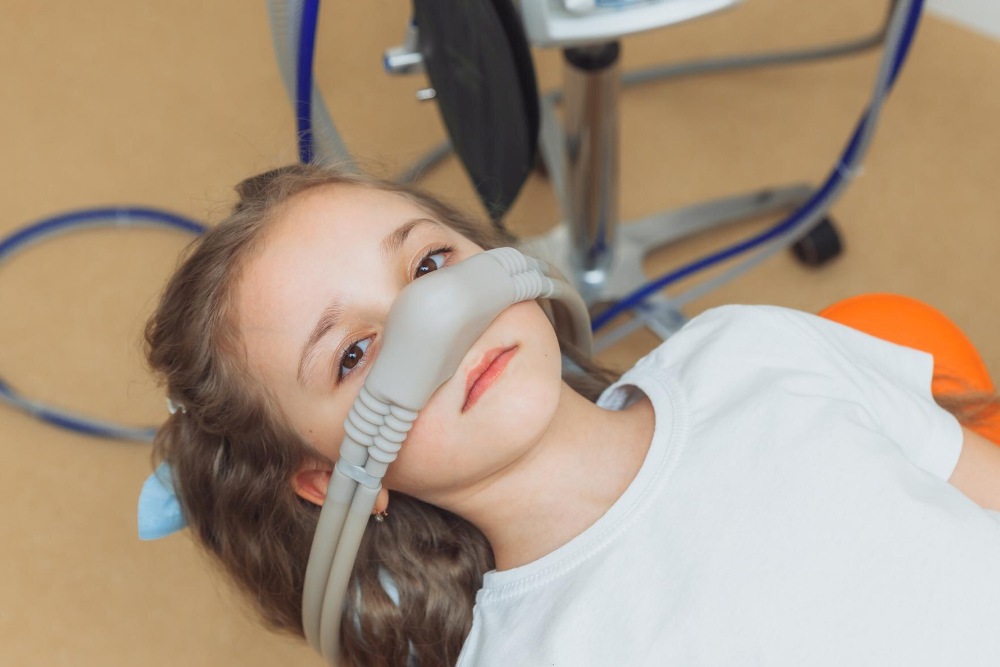
Patient safety is the primary consideration when planning general anesthesia in pediatric dentistry. Before treatment, the anesthesia team performs a comprehensive pre-anesthetic evaluation to identify factors that may increase anesthetic or airway risk. Additional medical evaluation or consultation with the child’s pediatrician or another medical specialist may be requested when clinically indicated.
The assessment typically includes review of the child’s medical and surgical history, previous anesthesia or sedation experiences, family history of significant anesthesia-related reactions, current medications, allergies, and recent illnesses. A focused airway examination is also performed to identify anatomical or clinical features that could increase the risk of airway obstruction or difficulty with airway management. Current AAPD/AAP guidance emphasizes careful pre-sedation assessment, airway evaluation, appropriate monitoring, trained personnel, and appropriate recovery facilities.
The following table summarizes key components of pre-anesthesia screening for pediatric dental patients:
What Safety Guidelines Govern General Anesthesia in Pediatric Dentistry?
The administration of general anesthesia in pediatric dentistry is governed by established clinical standards from professional organizations such as the American Academy of Pediatric Dentistry (AAPD) and the American Society of Anesthesiologists (ASA). These standards emphasize appropriate patient selection, pre-anesthetic assessment, qualified anesthesia personnel, physiological monitoring, emergency preparedness, and safe recovery.
A dedicated anesthesia provider focuses on administering anesthetic medications and continuously monitoring the child’s physiological condition, while the pediatric dentist concentrates on the dental procedure. This separation of responsibilities supports safe and effective care throughout the anesthetic period.
Essential safety standards and monitoring protocols include:
- Physiological Monitoring: Continuous monitoring appropriate to the depth of anesthesia, including oxygenation, ventilation, heart rate, and other relevant physiological parameters, with blood pressure assessed at appropriate intervals and additional parameters monitored when clinically indicated.
- Emergency Resuscitation Equipment: Immediate access to age-appropriate airway equipment, emergency medications, oxygen delivery systems, and defibrillation capability.
- Appropriately Regulated Facilities: Treatment should take place in a properly equipped and regulated dental office, ambulatory surgical facility, or hospital appropriate for the patient’s needs and planned procedure.
- Trained Recovery Personnel: Recovery should be supervised by personnel trained to monitor pediatric airway function, consciousness, circulation, and other relevant postoperative parameters.
What Fasting Rules Must Parents Follow Before Anesthesia?
Pre-operative fasting is an important part of preparation for general anesthesia because anesthetic medications reduce protective airway reflexes and can increase the risk of aspiration if stomach contents are present.
The anesthesia team provides specific fasting instructions based on the child’s age, medical history, procedure, and planned anesthetic technique. Parents should follow these instructions exactly and inform the anesthesia team if the child eats or drinks outside the permitted period. The anesthesia provider will determine whether treatment can proceed safely or should be delayed.
Common fasting intervals may include:
- Clear Liquids: Often permitted until approximately 2 hours before anesthesia, depending on the anesthesia team’s instructions. Examples may include water, clear apple juice, or approved oral electrolyte solutions.
- Breast Milk: Commonly restricted for approximately 4 hours before anesthesia.
- Infant Formula: Commonly restricted for approximately 6 hours before anesthesia.
- Light Meal or Non-Human Milk: Commonly restricted for approximately 6 hours before anesthesia.
- Fried, Fatty Foods, or Meat: Generally require a fasting period of at least 8 hours before elective anesthesia, although the required fasting period may vary according to the amount and type of food consumed.
These are general examples only. Parents should always follow the specific fasting instructions provided by their child’s anesthesia team.
What Happens on the Day of Dental Surgery?
On the day of the procedure, the child and parent or caregiver arrive at the designated treatment facility. The clinical team reviews the child’s current health status, confirms fasting adherence, checks relevant medical information, and completes any required pre-operative assessment.
The pediatric dentist and anesthesia provider meet with the family to review the planned dental procedures, answer questions, and confirm informed consent. When clinically appropriate, premedication may be given before anesthesia to reduce anxiety or facilitate a smoother induction.
The general sequence of care may include:
- Anesthesia Induction: General anesthesia is initiated using an inhaled anesthetic, intravenous medication, or another technique selected by the anesthesia provider.
- Airway Management: The anesthesia team establishes and maintains an appropriate airway. Depending on the anesthetic plan and procedure, this may include an endotracheal tube, supraglottic airway device, or another airway-management technique.
- Dental Treatment: The pediatric dentist performs the planned procedures, which may include radiographs, preventive care, restorations, pulp therapy, crowns, or extractions.
- Emergence and Recovery: At the end of treatment, anesthetic medications are reduced or discontinued, and the child emerges from anesthesia under continuous monitoring before being transferred to the recovery area.
What Postoperative Symptoms Are Normal After Anesthesia?

Following general anesthesia in pediatric dentistry, children transition to a recovery area, where trained clinical staff monitor breathing, oxygenation, circulation, and level of consciousness until appropriate discharge criteria are met. Parents or caregivers are reunited with the child as soon as clinically appropriate.
It is common for young children to experience mild, temporary effects as they recover from anesthesia. Some children may feel drowsy, unsteady, or irritable, while others may experience brief periods of emergence agitation or confusion that usually improve as recovery progresses.
Common, temporary postoperative symptoms may include:
- Drowsiness and Fatigue: Feeling sleepy or tired for several hours after the procedure.
- Mild Nausea or Vomiting: Temporary stomach upset may occur during recovery. Fluids should be reintroduced according to the anesthesia team’s discharge instructions.
- Mild Throat Irritation: Soreness, dryness, or temporary hoarseness may occur if an airway device was used during anesthesia.
- Oral Soreness and Numbness: Treated areas may feel tender, and local anesthesia can leave the lips, cheeks, or tongue numb for several hours.
How Can Parents Support Recovery at Home After Anesthesia?
After discharge, children should remain under responsible adult supervision and follow the specific recovery instructions provided by the anesthesia and dental teams. Physical activity should remain limited until alertness, balance, and coordination have returned to normal.
Food and fluids should be reintroduced gradually according to the child’s condition and discharge instructions. Small amounts of clear fluid may be offered initially when permitted. If these are tolerated without significant nausea or vomiting, soft foods can usually be introduced gradually.
Key home care recommendations include:
- Monitor Oral Numbness: Watch your child closely to prevent accidental biting or chewing of numb lips, tongue, or cheeks.
- Administer Pain Relief as Directed: Give pediatric pain medication only according to the dose and schedule recommended by the dental or medical team.
- Follow Oral Hygiene Instructions: Resume toothbrushing and other oral care according to the specific procedures performed and the instructions provided by the dental team.
- Maintain Hydration: Encourage appropriate fluid intake once permitted and tolerated.
- Supervise Activity: Avoid strenuous activity, climbing, cycling, swimming, or other activities requiring full coordination until the child has recovered appropriately.
What Potential Risks and Complications Are Associated with Anesthesia?
General anesthesia can be administered safely to appropriately selected pediatric patients, but it is not risk-free. The potential risks depend on factors such as the child’s age, medical condition, airway anatomy, recent illnesses, medications, procedure, and anesthetic technique.
Common temporary effects may include nausea, vomiting, drowsiness, dizziness, agitation, or throat irritation. Less common but potentially serious complications can involve airway obstruction, respiratory problems, allergic reactions, cardiovascular events, or other anesthesia-related adverse events.
Healthcare teams reduce these risks through structured clinical protocols:
- Qualified Anesthesia Professionals: An appropriately trained and credentialed anesthesia professional manages the anesthetic according to applicable regulations and facility requirements.
- Comprehensive Pre-Anesthetic Assessment: Medical history, airway characteristics, medications, allergies, and recent illnesses are reviewed before anesthesia.
- Respiratory Risk Assessment: Recent or active respiratory symptoms are evaluated, and elective treatment may be postponed when the anesthesia team determines that respiratory risk is increased.
- Continuous Physiological Monitoring: Appropriate monitoring is used throughout anesthesia and recovery to identify changes in oxygenation, ventilation, circulation, and other relevant physiological parameters.
- Emergency Preparedness: Appropriate airway equipment, emergency medications, trained personnel, and emergency-response protocols must be immediately available.
How Does Early Preventive Care Reduce the Need for Anesthesia?
General anesthesia is an important treatment option for selected pediatric dental patients, but preventing extensive dental disease can reduce the likelihood that a child will require comprehensive restorative treatment under anesthesia. Severe early childhood caries is one of the common reasons young children require extensive dental rehabilitation.
Establishing a dental home early allows clinicians to assess caries risk, provide dietary guidance, reinforce appropriate oral hygiene, and apply preventive treatments when indicated. Regular dental examinations can help identify early lesions before they progress to extensive cavitation, pain, or infection.
Fundamental preventive measures include:
- Schedule an Early Visit: Arrange a comprehensive first dental examination by the child’s first birthday.
- Practice Consistent Home Hygiene: Brush twice daily with fluoridated toothpaste from the eruption of the first tooth. Use a smear or rice-grain-sized amount for children younger than three years and a pea-sized amount for children aged three to six years, with adult supervision.
- Consider Pit-and-Fissure Sealants: Sealants may be recommended for susceptible primary or permanent molars according to tooth anatomy, eruption status, and individual caries risk.
- Limit Frequent Sugar Exposure: Reduce frequent consumption of sugary foods and drinks and avoid putting a child to bed with a bottle containing milk, juice, or other sugar-containing beverages once teeth have erupted.
- Attend Risk-Based Dental Reviews: Follow the recall interval recommended by the child’s dental professional according to individual caries risk and oral health needs.
What Financial and Logistical Factors Influence Anesthesia Care?
The overall cost of pediatric dental treatment under general anesthesia may include several separate components, such as dental treatment fees, anesthesia professional fees, facility charges, medications, and other services associated with the procedure.
Insurance or healthcare coverage varies according to the country, insurance policy, medical necessity criteria, facility, and the child’s individual clinical circumstances. Parents should confirm coverage, authorization requirements, exclusions, and potential out-of-pocket costs with both the treatment provider and insurer before the procedure whenever possible.
Parents should also plan for responsible adult supervision after discharge and arrange safe transportation home. The child should follow the anesthesia team’s instructions regarding activity, food, fluids, medication, and return to school or daycare.
What Questions Should Parents Ask Before Consenting to Anesthesia?
A detailed pre-operative consultation gives parents an opportunity to understand why general anesthesia is being recommended, review the planned dental procedures, discuss potential risks and alternatives, and clarify postoperative care.
Parents should feel comfortable asking about the anesthesia provider’s qualifications, the clinical setting, monitoring methods, airway management, recovery procedures, and emergency preparedness. Informed consent should include discussion of the expected benefits, potential risks, reasonable alternatives, and the option of delaying or modifying treatment when clinically appropriate.
Important questions to discuss include:
- Provider Qualifications: Who will administer and monitor the anesthesia, and what qualifications and experience do they have in pediatric anesthesia care?
- Alternative Approaches: Why is general anesthesia recommended for my child, and are behavior guidance, nitrous oxide, sedation, staged treatment, or other approaches appropriate alternatives?
- Treatment Plan Scope: Which preventive, restorative, pulp, or surgical procedures are expected to be completed while my child is under anesthesia?
- Monitoring and Airway Management: How will my child’s breathing, oxygenation, circulation, and airway be monitored and managed?
- Emergency Preparedness: What emergency equipment, medications, trained personnel, and transfer protocols are available at the facility?
- Recovery and Discharge: What criteria must my child meet before discharge, and what symptoms should prompt us to contact the clinical team or seek urgent medical care?