 English
 Turkish
 Deutsch

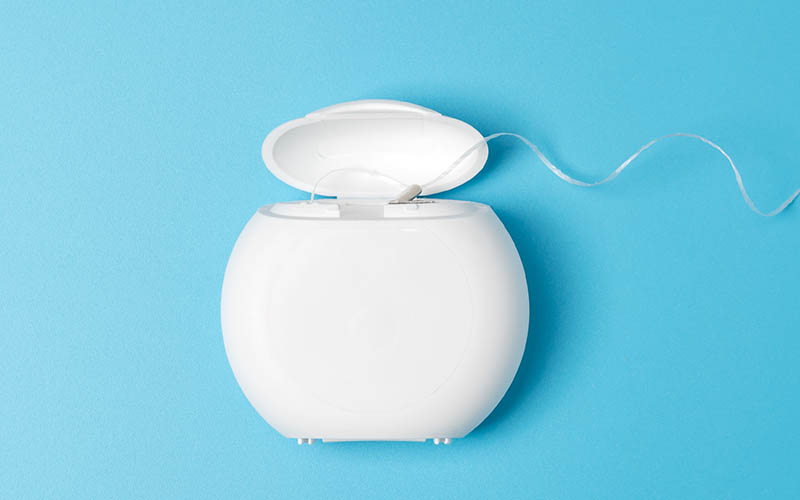
Dental floss is one of the essential tools that must be used to clean the teeth effectively. It is at least as important as tooth brushing when it comes to protecting oral and dental health. Using dental floss just once a day can significantly reduce the risk of tooth decay. Even when teeth are brushed correctly, only about three-fifths of the tooth surfaces can be cleaned. Food residues that remain between the teeth cannot be removed because the bristles of the toothbrush cannot reach these areas. However, using dental floss allows these food particles to be removed and significantly reduces the risk of plaque and bacteria formation. Therefore, cleaning with dental floss is also extremely important for preventing gum disease. In this article, we will cover common questions on this topic and also talk about the different types of dental floss. But first, let’s look at how to use dental floss correctly.
How to Use Dental Floss?
For each cleaning, cutting about 40 to 50 cm of dental floss is sufficient. Wrap part of this piece around the middle fingers of both hands, leaving a section of floss between your hands. This gap should be long enough to easily enter between the teeth. Leaving about 5 to 6 cm free will usually be enough. Then, gently pull the floss tight with your index fingers and thumbs so that it stays taut. Carefully guide the floss between the teeth without applying excessive pressure on the gums or causing damage, and remove the food particles lodged between them.
If you give the floss a C-shaped curve around each tooth, it becomes much easier to clean these areas effectively. After cleaning one interdental space, shift the floss slightly on your fingers and move to the next space with a fresh, clean section of floss. The idea that using dental floss is difficult is not true. After just a few tries, you will realise that cleaning between your teeth with floss is actually very easy. Especially during the first attempts, you may find it challenging, but it’s important not to give up. After a few uses, you’ll notice that flossing is no more difficult than brushing your teeth.
Does Dental Floss Create Gaps Between Teeth?

One of the most frequently asked questions is whether using dental floss over time causes gaps to form between the teeth. Of course, this is absolutely not the case. Regular cleaning with dental floss does not cause wear or create spacing between teeth. The materials used in the production of dental floss are compatible with both tooth and gum tissues. Their ideal softness also prevents abrasion or scratching on the tooth surface. When you hold floss in your hand, you can feel that it is actually quite soft.
Another common concern is whether floss causes wear on fillings. The materials used to fill cavities after tooth decay is cleaned out are at least as strong as the tooth itself. For this reason, it is technically impossible for dental floss to wear down fillings or cause them to break. People with fillings or crowns can safely use dental floss for effective oral hygiene without any concern. Restorations such as crowns are also not negatively affected by flossing.
Another question often raised is whether flossing should be stopped if gum bleeding occurs. Bleeding of the gums during brushing or flossing is not considered normal. In such cases, you should consult your dentist as soon as possible and inform them about the bleeding. You should continue to clean with dental floss unless your dentist advises otherwise. It is important to follow your dentist’s recommendations in this regard.
What Are the Types of Dental Floss?
Today, dental floss is produced by different brands using various materials. Based on the material used, these products are generally divided into two categories: PTFE and nylon. From a design perspective, floss can also be grouped into two main types: floss picks (floss attached to a small plastic holder) and traditional roll or spool floss. Floss picks tend to be more practical in terms of ease of use. However, traditional roll floss is often a more economical option, which is why it is also widely preferred.
Incorrect Use of Dental Floss
Naturally, some mistakes can be made when using dental floss. One of the most common is using the same piece of floss multiple times for different cleanings. In fact, each piece of floss you cut should be considered single-use. Using the same floss to clean another tooth is not hygienic. Due to the special structure of floss, it tends to fray after one use and may snap if reused.
Another common mistake is cleaning only the surfaces of the teeth that are away from the gum line. In reality, dental plaque forms mainly along the line where the teeth meet the gums, and these areas must be cleaned very thoroughly. In addition, the spaces between teeth that a toothbrush cannot reach must also be cleaned. Otherwise, it is not possible to talk about truly effective cleaning of the teeth.
Correct Use of Dental Floss

Incorrect use of dental floss may not damage the teeth, but it can harm the gums. Therefore, it is essential to pay attention to how these products are used in daily cleaning. The most important point is to avoid applying too little or too much pressure during flossing. Using about the same amount of pressure as you would when brushing your teeth is usually enough to clean effectively.
Pressing the floss gently against the tooth surface and shaping it into a C around the tooth allows you to clean in the most effective way. Constantly moving the floss strictly up and down is not recommended. In fact, this movement can be harmful, as it may push plaque down into the gum line. If you find it difficult to use traditional roll floss, you can switch to floss picks, which are often easier to handle.
What Are the Benefits of Dental Floss?
First of all, even if you have neglected the use of dental floss until now, it is not too late to start. These products can be used at any age, and you can immediately begin cleaning your teeth much more effectively. Since dental floss helps keep the teeth cleaner, it also contributes to a fresher and cleaner breath. Once you start using floss regularly, you will quickly notice that your breath is fresher.
The most common causes of gum disease are dental plaque and tartar. To prevent these formations, it is essential to use dental floss. In this sense, flossing is not just an option; it becomes a necessity. To protect your gum health and prevent tooth decay, you should include dental floss in your daily routine and maintain your oral hygiene.
Having healthier teeth and gums is the most important benefit of using dental floss. Preventing cavities, bacteria and plaque formation is also of great importance. If you have any questions about using dental floss, you can write them in the comments section below.


